Microsoft published a note on its Windows IT Pro blog on 1 September 2026, written by Peter Waxman: beginning in October 2026, the company will expand memory integrity protection across eligible devices through ordinary quality updates, with little or no configuration by the user.
What it is
Memory integrity is built on Virtualization-based Security. Its job is to allow only trusted code and drivers to run in the kernel. In other words it closes the door that attacks aiming at the kernel itself come through.
Microsoft says it is also the foundation for other features, among them hotpatch updates that apply without a reboot. A machine that stays without memory integrity loses that path too.
Who is covered
The requirements, as the specialist sites report them: an Intel processor of the 8th generation or newer, or AMD from Zen 2 or newer, or Qualcomm Snapdragon 8180 or newer. 8 GB of memory on 64-bit systems. An SSD of at least 64 GB. Virtualization enabled in firmware. And compatible drivers.
It applies to Windows 11 version 22H2 and later.
Who is not
This part deserves attention: anyone who turned the feature off themselves, or whose administrator turned it off, keeps that decision. Microsoft’s own wording is that devices where memory integrity has already been disabled will not be automatically changed by this rollout.
Before enabling, Windows runs a readiness check covering hardware capabilities, compatibility and performance considerations. If a boot-critical driver turns out to be incompatible, the system quietly switches the feature back off rather than leave the machine unable to start. The specialist reports concede the readiness check will not catch every bad kernel driver.
What it costs in performance
Here the date of the number matters. The fullest published measurement is Tom’s Hardware’s 2021 test: memory integrity cost a geometric mean of 5.6 per cent in games on a Core i7-11700K, 5.7 on an i7-10700K, 3.3 on a Ryzen 7 5800X and 4.1 on a Ryzen 7 3800X. VBS on its own cost between four and five per cent.
Those are 2021 hardware figures, not a fresh test of this rollout. PCWorld, on 4 September 2026, put the worst cases at up to fifteen per cent, hardest on older hardware.
What Microsoft did not say
The company named no specific day, only “beginning in October”. The date of 13 October comes from PCWorld alone, and we attribute it accordingly.
There is no Kuwaiti angle here: the feature is free and arrives with Windows updates on any eligible machine.
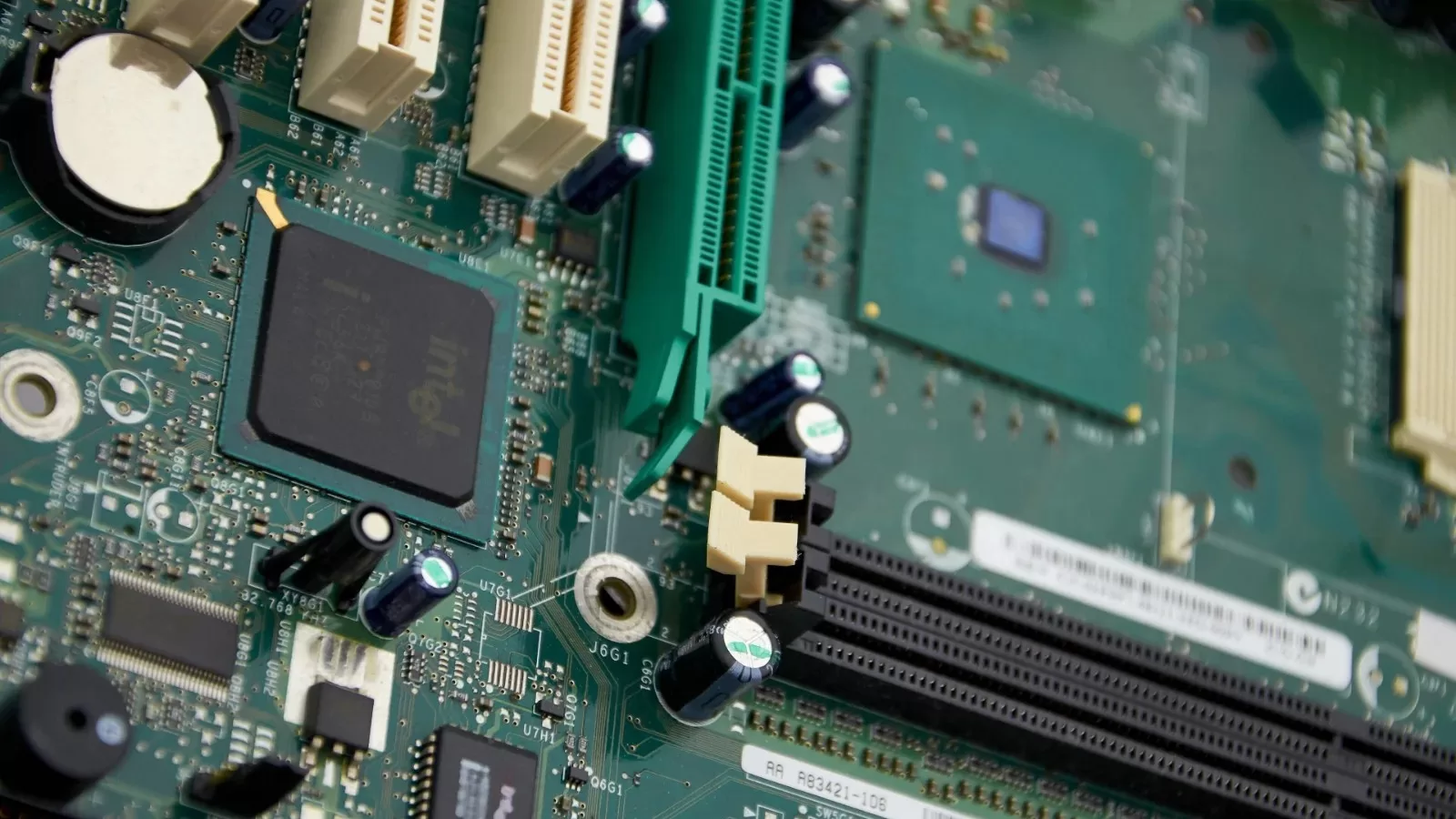
Photo: a computer motherboard. By Lenharth Systems, CC0 via Wikimedia Commons.
Sources: the Windows IT Pro blog, Peter Waxman, 1 September 2026; Tom’s Hardware on 2 September 2026 and its benchmark published 9 October 2021; igor’sLAB and Help Net Security on 3 September 2026; and PCWorld on 4 September 2026.
Kuwait One, once a week.
The most useful stories we published this week, in your inbox.
No spam. Unsubscribe anytime.