Kettle taking longer to boil? Scale on the element, and the vinegar fix
Philips says no more than 8% acidity, an overnight soak, then a rinse and a fresh round of water.
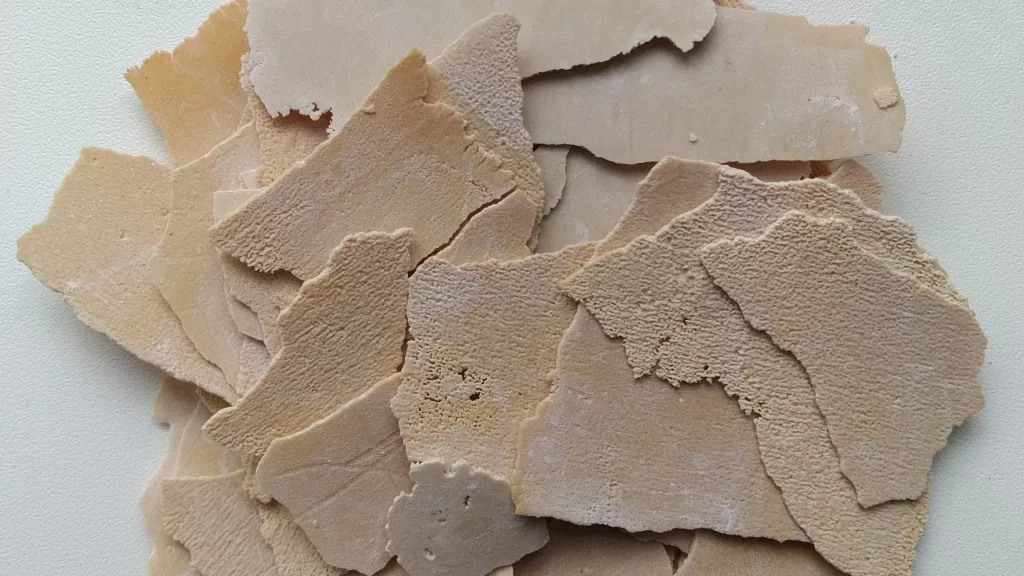
If your kettle has started taking longer to boil, Philips’ support page has a likely culprit: the heating element is coated in scale. KitchenAid describes that scale as the calcium, magnesium and other minerals water leaves behind each time it is heated, and it builds faster the harder your water is.
The vinegar method, as Philips publishes it
- Fill the kettle with water to three-quarters of the maximum level and bring it to the boil.
- Once it switches off, add white vinegar (8% acetic acid) up to the maximum mark.
- Leave the solution in the kettle overnight.
- Empty the kettle and rinse the inside thoroughly.
- Fill it with fresh water and boil.
- Empty it and rinse with fresh water again.
- Repeat if any scale is left.
Philips adds two warnings: don’t use natural vinegar, and don’t use white vinegar with more than 8% acetic acid, as either can damage the inside of the kettle. Descaling regularly, it says, makes the kettle last longer.
If you can’t stand the smell
Citric acid or a ready-made descaler works too; follow the instructions on that product’s pack. KitchenAid’s citric acid method: a tablespoon of citric acid powder or lemon juice, enough water to cover the base, bring it to the boil, then pour it away, rinse well and dry.
How often?
KitchenAid suggests descaling about once a month if you use the kettle daily, and more often with hard water. Check your kettle’s manual first: some makers say what their kettles can and can’t take.
Photo: flakes of scale taken out of an electric kettle. By Alexander Davronov, CC BY-SA 4.0, via Wikimedia Commons.
Source: Philips support on kettles that take long to boil, and KitchenAid’s guide to cleaning an electric kettle, both read on 6 November 2026.
Kuwait One, once a week.
The most useful stories we published this week, in your inbox.
No spam. Unsubscribe anytime.