Poisonous datura is turning up in Kuwaiti neighbourhoods. Leave it alone and report it
The poison control centre has treated severe cases, and every part of the white-flowered plant carries toxic alkaloids.
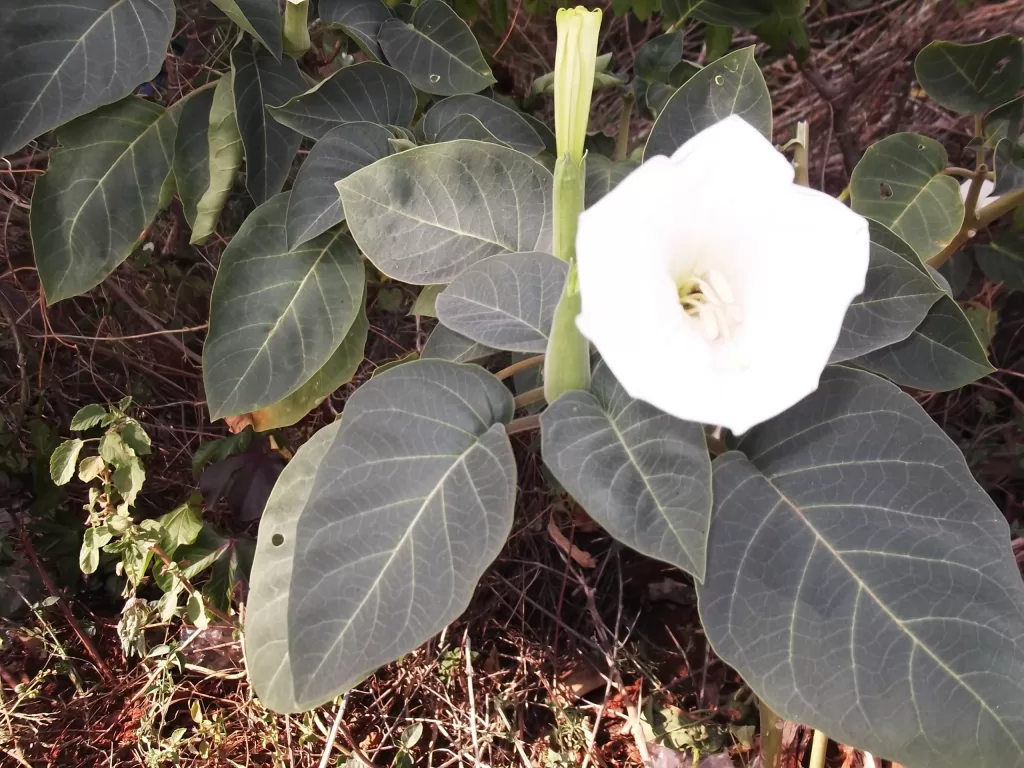
Three government bodies in Kuwait are warning about datura, a poisonous plant that has been reported growing in some residential areas and public places. The Kuwait Poison Control Centre says it has recently treated severe poisoning cases in the country caused by eating toxic plants, datura among them.
Why it matters
Every part of the plant is poisonous, from the leaves and stems to the flowers, fruit and seeds, because all of them contain toxic alkaloids. Swallowing any of it can cause acute poisoning, hallucinations, and nervous system and heart rhythm problems, and can be fatal, according to Dr Abdullatif Al-Omi, who heads the centre at Al-Amiri Hospital, and Sharifa Al-Salem of the Environment Public Authority’s wildlife monitoring section.
Datura is on Kuwait’s plant list but is not native here. It usually appears in spring and summer, and can keep growing and flowering into early autumn depending on heat and moisture.
Where it grows
The Public Authority for Agriculture Affairs and Fish Resources says the plant copes with a range of conditions and takes hold on open and disturbed ground. It produces large numbers of seeds that can lie dormant in the soil for long periods and sprout once there is enough moisture.
What to do
The Environment Public Authority asks people not to touch, pick or eat the plant, and to report where they have seen it to the authorities.
Photo: A datura plant in flower, photographed in India rather than Kuwait. Photo by Yercaud-elango, CC BY-SA 4.0 via Wikimedia Commons.
Source: Kuwait Poison Control Centre, Environment Public Authority and Public Authority for Agriculture Affairs and Fish Resources, speaking to KUNA, 9 November 2026, as reported by Al-Qabas and Al-Jarida.
Kuwait One, once a week.
The most useful stories we published this week, in your inbox.
No spam. Unsubscribe anytime.