Mould after the rain: soap, water, and dry it within two days
Anything over a square metre needs a professional, and bleach does not fix the cause.
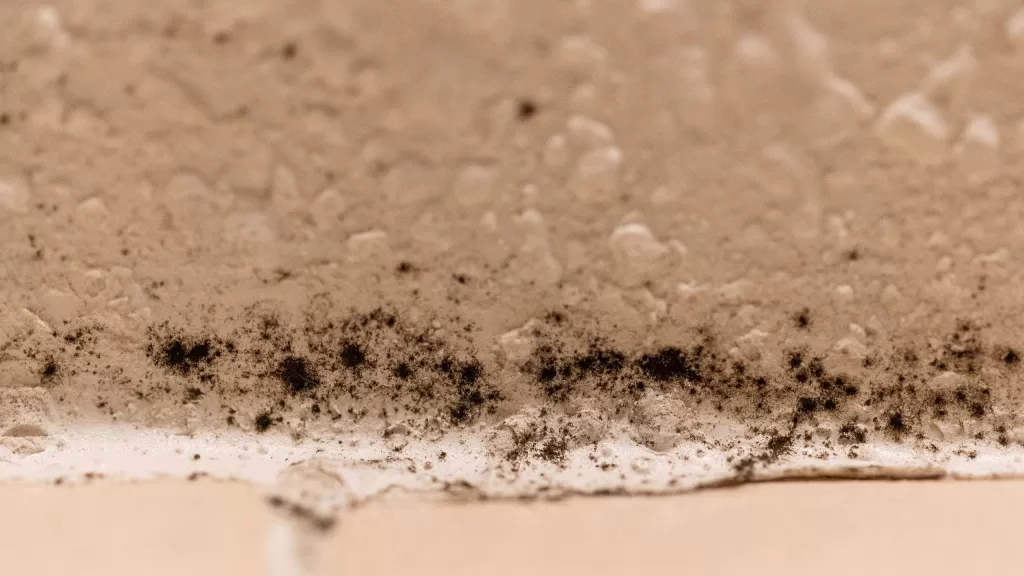
After November’s rain, black spots show up in the ceiling corner, behind the wardrobe pushed against an outside wall, and along the bathroom tile line. The US Environmental Protection Agency’s home guide to mould starts from one rule: mould does not grow without water, so if you clean it and leave the moisture, it comes back.
First, stop the water
- Find the source: a roof leak, a weeping pipe, condensation on a window or cold-water pipe, or a blocked AC drip pan.
- Dry anything wet within 24 to 48 hours. In most cases mould will not grow if the area dries in that window.
- If you rent, report the leak to the landlord or the building haris as soon as you see it.
Second, is it a job for you?
A patch smaller than about one square metre (roughly 90 cm by 90 cm) is usually something you can handle yourself. Anything bigger, a large leak, or water that came from the sewer calls for a mould-remediation professional. If mould is in or near the intake of a central AC system, don’t run it until it has been checked — it will spread spores through the house.
Third, the clean-up
- Wear long gloves to mid-forearm, goggles without vent holes, and an N95 mask if you can.
- Scrub mould off hard surfaces — tile, glass, plastic — with water and detergent, then dry completely.
- Porous materials such as carpet and drop-ceiling tiles may never come clean and may have to go.
- Don’t paint or caulk over mould before it is cleaned and dry; paint on top of it peels.
What about bleach?
The EPA does not recommend biocides, bleach included, as routine practice: dead mould can still trigger allergies, so it has to be removed, not just killed. If you do use bleach, ventilate, and never mix it with a cleaner containing ammonia — the combination gives off toxic fumes.
Keeping it away
- Keep indoor humidity below 60%, ideally 30–50%. A humidity meter is cheap at any hardware shop.
- Run the bathroom fan or open a window when showering and cooking.
- Wipe condensation off windows and walls; it is a sign of high humidity.
- Keep the AC drip pan clean and the drain line flowing.
Photo: mould along a bathroom wall edge. Photo by Tony Webster, CC BY-SA 2.0, via Wikimedia Commons.
Source: US Environmental Protection Agency, A Brief Guide to Mold, Moisture and Your Home (last updated 18 February 2026).
Kuwait One, once a week.
The most useful stories we published this week, in your inbox.
No spam. Unsubscribe anytime.