
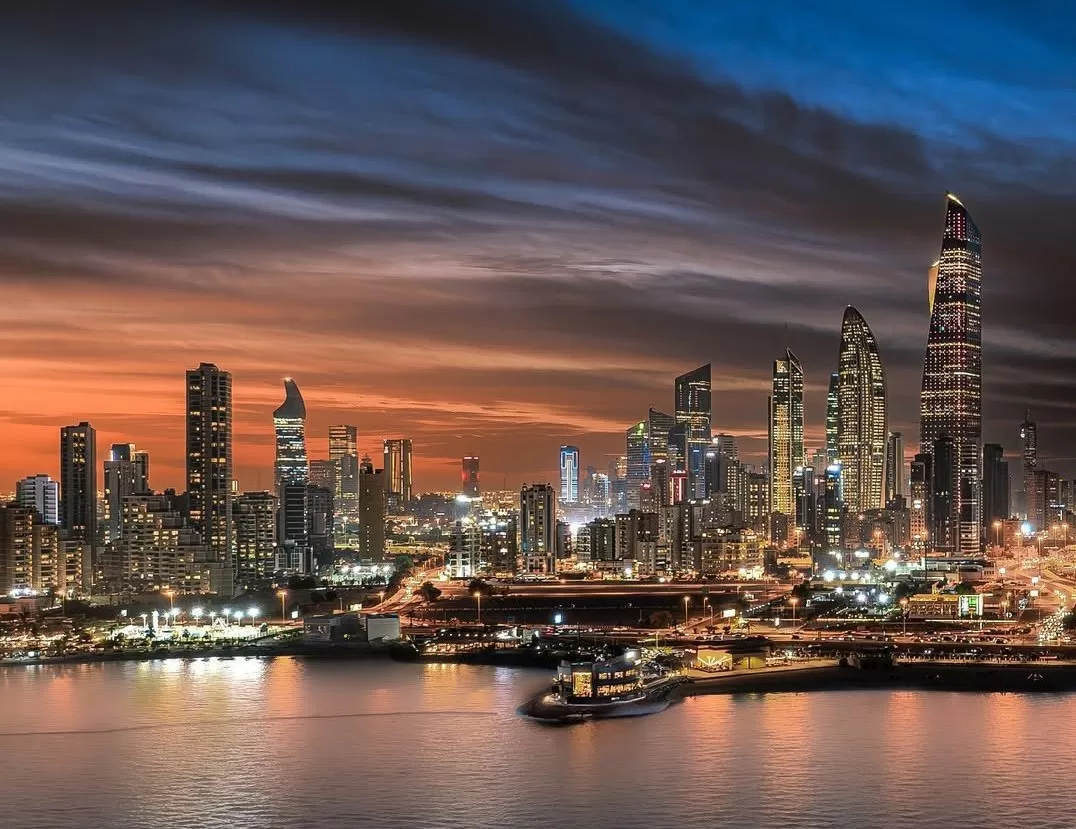
On the western shore of the Arabian Gulf, on a stretch of sand meeting the water, Kuwait began as a caravan stop and a handful of fishermen’s huts. Almost everything the country became afterwards was built on that position: not on land that grew things, but on a place ships could reach.
The name is a fort, made small
The settlement was known in its early days as Al-Qurain. The name later became Kuwait, a diminutive of kout, meaning a fort or a stronghold. The word carries its own history: forts were built to protect people, and the name that stuck was the small version of one.
1752, and why the date is quoted
In the eighteenth century, and specifically in 1752, the people of Kuwait chose Sheikh Sabah I as their first ruler by common agreement — an arrangement uncommon in the Arabian Peninsula of that era. Rule came from within the town rather than being imposed on it, and that fact is the one most often cited when Kuwait’s political character is discussed.
Accounts differ over the dates of the earliest settlement, and the Center for Research and Studies on Kuwait is the body that reviews them.
Trade was the artery
Kuwait had no wide farmland and no rivers. What it had was a position. It became a stop for merchants from India, Persia, the Peninsula and the Levant. Its ships were built by skilled hands and sailed carrying goods, pearls and spices between those markets.
This is the point that explains the rest. An economy that lives on a route rather than on a field depends on relationships, credit and reputation, and on people leaving for months and coming back. That shaped the town’s institutions long before oil did.
Schools, presses and a stage
In the early twentieth century Kuwait started formal schools early by regional standards, magazines and newspapers appeared with Kuwaiti bylines, and theatre took root here before it did in a number of neighbouring countries.
None of that arrived with oil. It arrived with a merchant class that travelled and read.
And then oil
When oil came, it widened what was already there rather than replacing it. Free education, health care, infrastructure, a press and an elected assembly grew out of an accumulation that had started long before the first export.
Which is why the honest way to describe Kuwait is not as an oil state that appeared in the twentieth century, but as a port town that oil made larger.
Further reading: the Center for Research and Studies on Kuwait · the Kuwait News Agency (KUNA)
Kuwait One, once a week.
The most useful stories we published this week, in your inbox.
No spam. Unsubscribe anytime.