

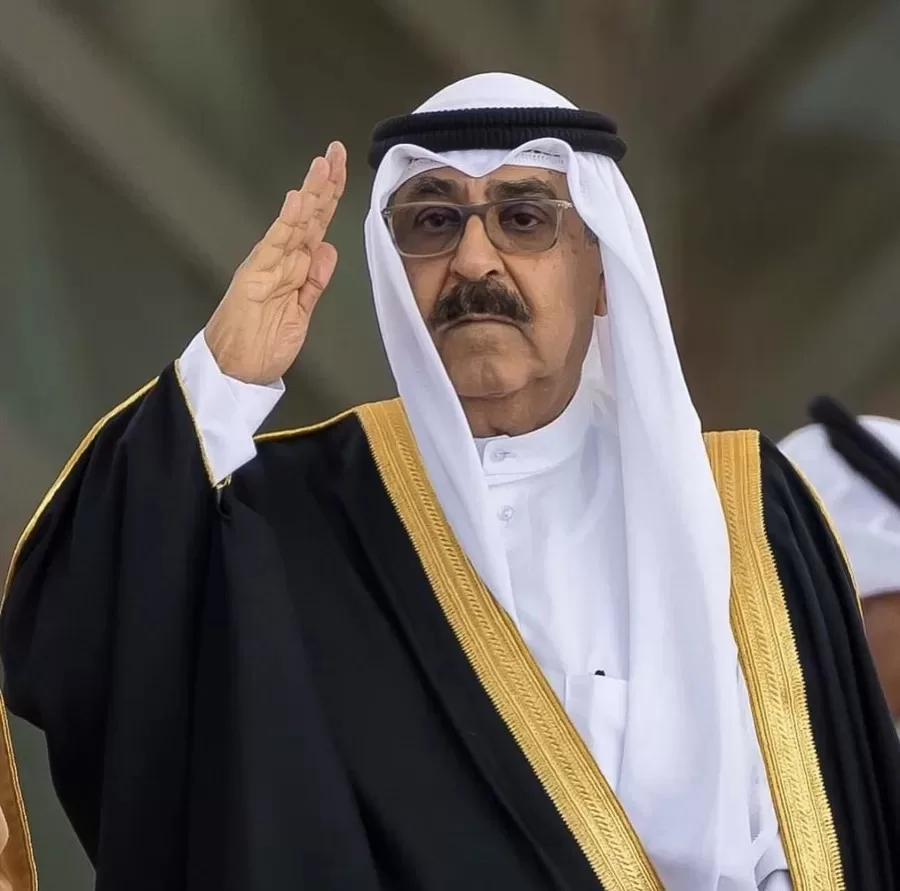
The Al-Sabah story begins in the desert, with a migrating group, and ends with a ruling family that laid the foundations of modern Kuwait.
Origins
The Al-Sabah belong to the Anza tribe, one of the Adnani tribes. The family was part of the Bani Utub, the Utub — a confederation of Arab families and tribes who moved from Najd in the interior of the Peninsula toward the Gulf coast, by way of Zubara in Qatar, and then settled at Kadhma, the land later known as Kuwait.
Settling
In the early eighteenth century, around 1716, the Utub began building a settlement on the coast facing the Gulf, called “Kuwait” after the kout, the small fort. Its position made it a meeting point for trade and pearling. To govern its affairs, the emerging community chose Sheikh Sabah bin Jaber as its first leader in 1752 — the date taken as the beginning of Al-Sabah rule.
The choice was made by consensus among the notables of the Utub, in recognition of his judgement, and that verbal agreement served as the first element in a Kuwaiti tradition of rule by consultation and consent.
The first challenges
Sheikh Sabah I’s task was not easy: he faced pressure from regional powers — the Ottoman state, the rulers of Basra, and Persia. He succeeded in preserving Kuwait’s relative independence, established trading relations with Britain and India, and consolidated Kuwait’s position as a safe harbour.
The rulers who followed
A number of the family followed him, each leaving a mark. Among the most prominent:
- Sheikh Jaber I (1776–1814), who strengthened trading relations and consolidated security.
- Sheikh Mubarak the Great (1896–1915), known as the founder of modern Kuwait, who concluded the first protection agreement with Britain in 1899.
- Sheikh Ahmad Al-Jaber, who led the country through the early stages of the oil discovery.
- Sheikh Abdullah Al-Salem, called the father of the constitution, under whom the country’s first constitution was drawn up in 1962.
From tribal rule to institutions
The Al-Sabah did not remain in the form of traditional tribal rule. Kuwait established the National Assembly, ratified a modern constitution, created ministries and public institutions, and built an educational and economic programme. With each step the ruling family opened further to popular participation and to a balance between the legislative and executive branches, through the political and economic crises the country faced.
Beyond the ruler’s role
Members of the family hold ministerial and diplomatic posts and oversee sovereign portfolios, and have a visible presence in charitable and humanitarian work at home and abroad.
Further reading: the Center for Research and Studies on Kuwait · the Kuwait News Agency (KUNA)
Kuwait One, once a week.
The most useful stories we published this week, in your inbox.
No spam. Unsubscribe anytime.