
Kuwait’s cabinet approved a draft decree-law on Tuesday evening setting up mortgage financing for people on the housing welfare register, and sent it up to the Amir. It runs to 15 articles, and it opens a route that has not existed before: a citizen borrows from a bank or other lender to buy a home from a developer or to build on a state-allocated plot, and the state picks up the interest on the subsidised part of that borrowing.
The condition that decides eligibility
Article 3 sets two tests, and both must be met for the subsidised financing. The applicant has to satisfy the general conditions already written into the Kuwait Credit Bank’s property-loan regulation, for either purchase or construction. And the applicant must not have received housing welfare from the state before. Anyone who has already taken a state home outside this framework falls outside the subsidised route.
What the money can be used for
Article 2 limits it to two purposes and no others: buying a residential unit from a property developer under Law 118 of 2023, as amended by decree-law 89 of 2025, or building on a government plot allocated by the Public Authority for Housing Welfare. Construction financing is released in stages under Central Bank of Kuwait rules; purchase financing follows the procedures in the residential-cities law.
Repayment and interest
Repayment is in equal monthly instalments over a term that cannot exceed 25 years, counted from the date the lender first releases the money. Subsidised and unsubsidised financing may be combined under Central Bank rules. Where they are, the borrower repays the principal on both and the interest on the unsubsidised portion only, while the Ministry of Finance pays the interest on the subsidised portion to Kuwait Credit Bank out of the General Reserve. The Central Bank sets the rate that applies to the unsubsidised portion.
What happens if you fall behind
The lender must serve notice on a borrower who misses payments, and may then reschedule the financing over a period of up to five years. The interest accruing during that rescheduling is borne by the borrower, not the state. If the default continues, Kuwait Credit Bank settles the remaining balance of the subsidised financing on the state’s behalf and takes a property mortgage in return, which is only valid under a formal mortgage contract.
When it actually starts
Article 14 requires the executive regulations to be issued by decree within six months of the decree-law appearing in the official gazette. Article 15 then makes the provisions apply to beneficiaries from the date those regulations are published. So nothing opens when the law itself is issued: the date to watch is the publication of the regulations that follow it.
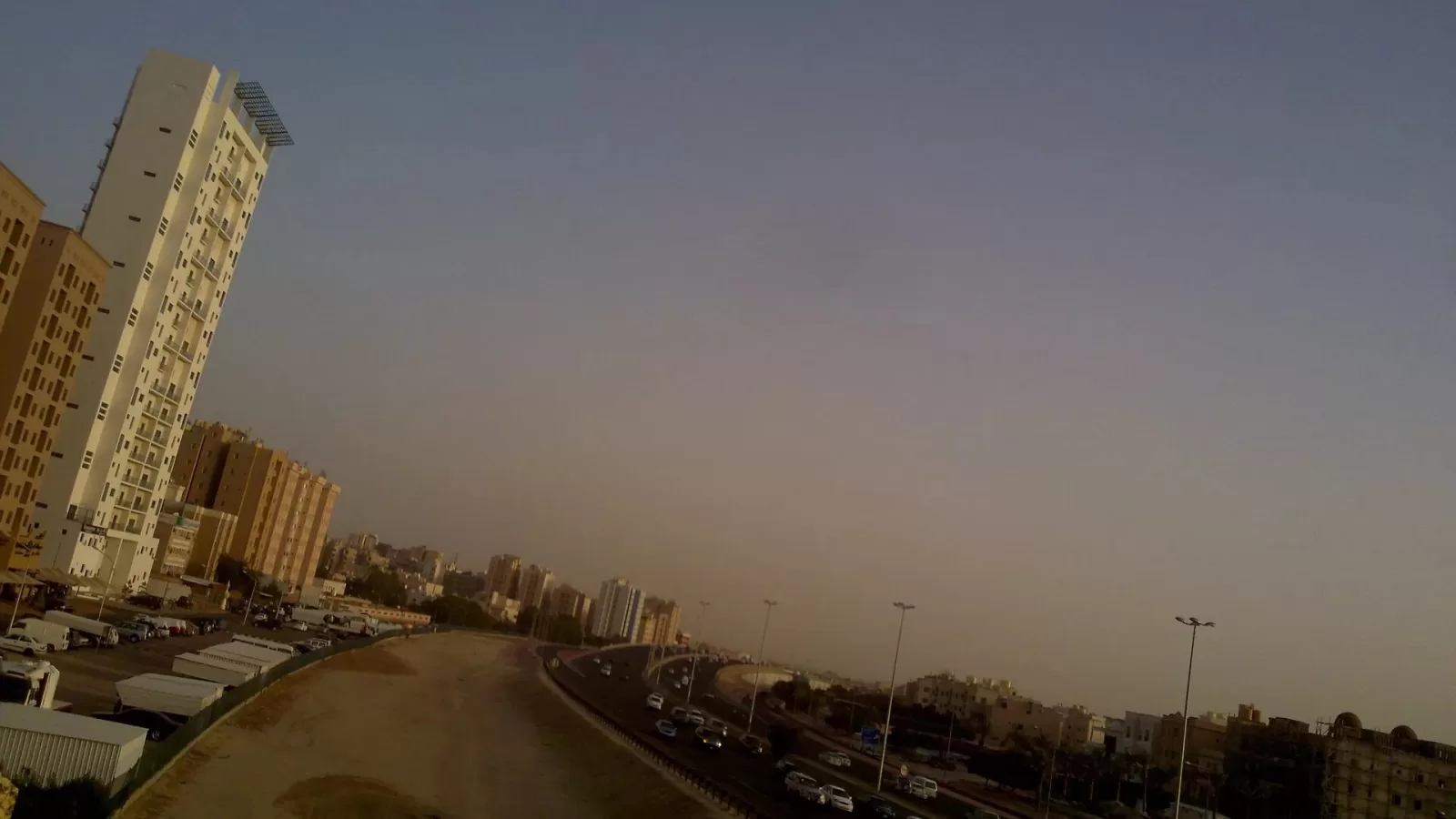
Photo: residential towers in Kuwait. By Irvin calicut, CC BY-SA 3.0 via Wikimedia Commons.
Source: Cabinet statement issued after its meeting of 22 September 2026, and remarks by the Minister of State for Municipal Affairs and Minister of State for Housing Affairs, Abdullatif Al-Mashari, to Kuwait News Agency.
Kuwait One, once a week.
The most useful stories we published this week, in your inbox.
No spam. Unsubscribe anytime.