A Flooded Tunnel Is Deeper Than It Looks: 30 cm of Moving Water Can Carry Off Your Car
Seven rules from US weather and emergency agencies for the rainy season, plus the number to call if the cabin starts to fill.
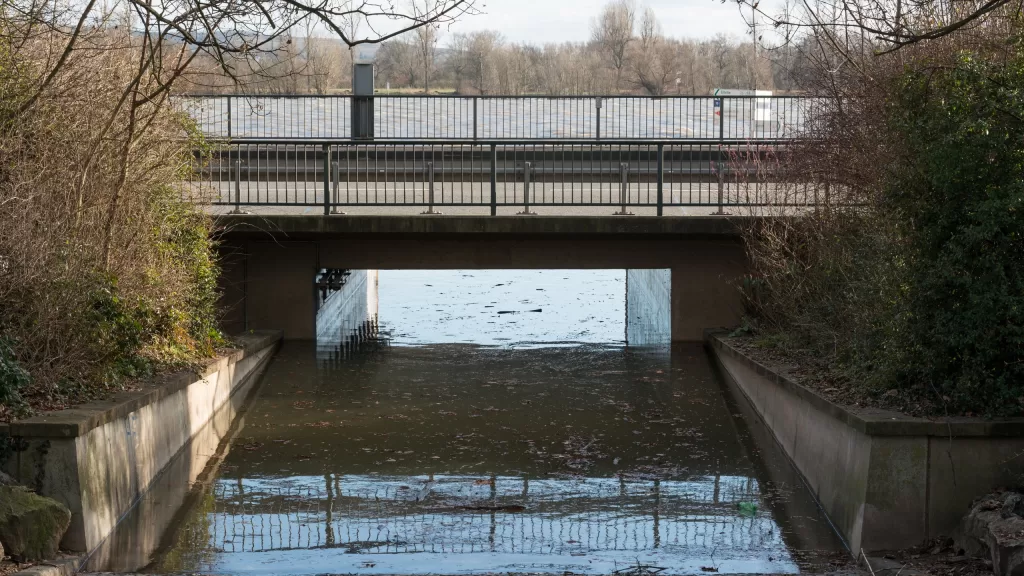
The rainy season has started, and rain collects first in the lowest places: tunnels and the roads that dip under bridges. A driver stopped at the edge sees a calm surface and nothing of what lies beneath it.
The US National Weather Service says more than half of all flood-related drownings happen when someone drives a vehicle into hazardous flood water, citing the Centers for Disease Control and Prevention. The depths involved are smaller than most people assume.
How little water it takes
- About 15 cm (6 inches) of fast-moving water can knock an adult off their feet.
- About 30 cm (12 inches) of rushing water can carry away most cars.
- About 60 cm (2 feet) can carry away SUVs and trucks.
What to do
- Stay off the road during heavy rain unless it is an emergency.
- Turn back at a flooded tunnel or street. You cannot see how deep it is, or whether the road surface underneath has collapsed.
- Never drive around a barricade. It is there because crossing is dangerous.
- Stay off bridges over fast-moving water.
- Do not wade in either. The same rule applies on foot.
- If your car is trapped in rapidly moving water, stay inside.
- If water starts rising inside the car, get onto the roof and call 112.
The Weather Service sums it up in four words: Turn Around, Don’t Drown.
Photo: A flooded underpass in Oestrich, Germany, January 2015, illustrative. By DXR, CC BY-SA 4.0, via Wikimedia Commons.
Source: US National Weather Service, “Turn Around Don’t Drown” (weather.gov); FEMA, “Floods” (ready.gov, last updated 17 October 2024). Both read 24 October 2026.
Kuwait One, once a week.
The most useful stories we published this week, in your inbox.
No spam. Unsubscribe anytime.