
Moving into a new place means a piece of paperwork most people overlook: the meter. The account at the Ministry of Electricity, Water and Renewable Energy is tied to a person, not to a building. Anyone who does not register it in their own name stays liable for somebody else’s bill, or finds the account still sitting in the name of whoever lived there before. These are the steps as the ministry’s official service guide sets them out.
First: open the account in your name
The service is called registering a meter for a new customer, and its stated purpose is to open an account and register the meter in that customer’s name. Three attachments are possible, depending on your situation:
- The title deed for the property, if you are the owner.
- The tenancy contract for the premises, if you are renting.
- An inheritance inventory, if the person registering is acting as agent for heirs.
Second: the deposit
Some premises carry a meter deposit that was not paid at registration, and there is a separate service for paying it that needs no attachment at all. Keep the receipt. It is the only document the ministry asks for on the day you claim the deposit back.
Third: the day you leave
Do not leave the meter running in your name. The service for cancelling a meter registration on vacating closes the account and requests the supply be cut temporarily until another customer moves in. It takes two attachments:
- A letter from the customer requesting disconnection of the supply.
- A certificate showing your IBAN — this one is for the transfer, meaning it is the front half of getting your deposit back, not a formality.
You then apply for the deposit refund after vacating, and its only attachment is a copy of the payment receipt we told you to keep.
The document the other side asks you for
The landlord, the buyer, or whoever you are moving to may want proof that nothing is outstanding against you. The ministry has two services for this: a clearance certificate for premises and a clearance certificate for a customer, and neither requires any attachment. The difference is that the first concerns the property and the second concerns you.
And if the meter is faulty
There is a separate service for reporting meter faults, and it needs no attachments either. Reporting early beats arguing about a high bill later.
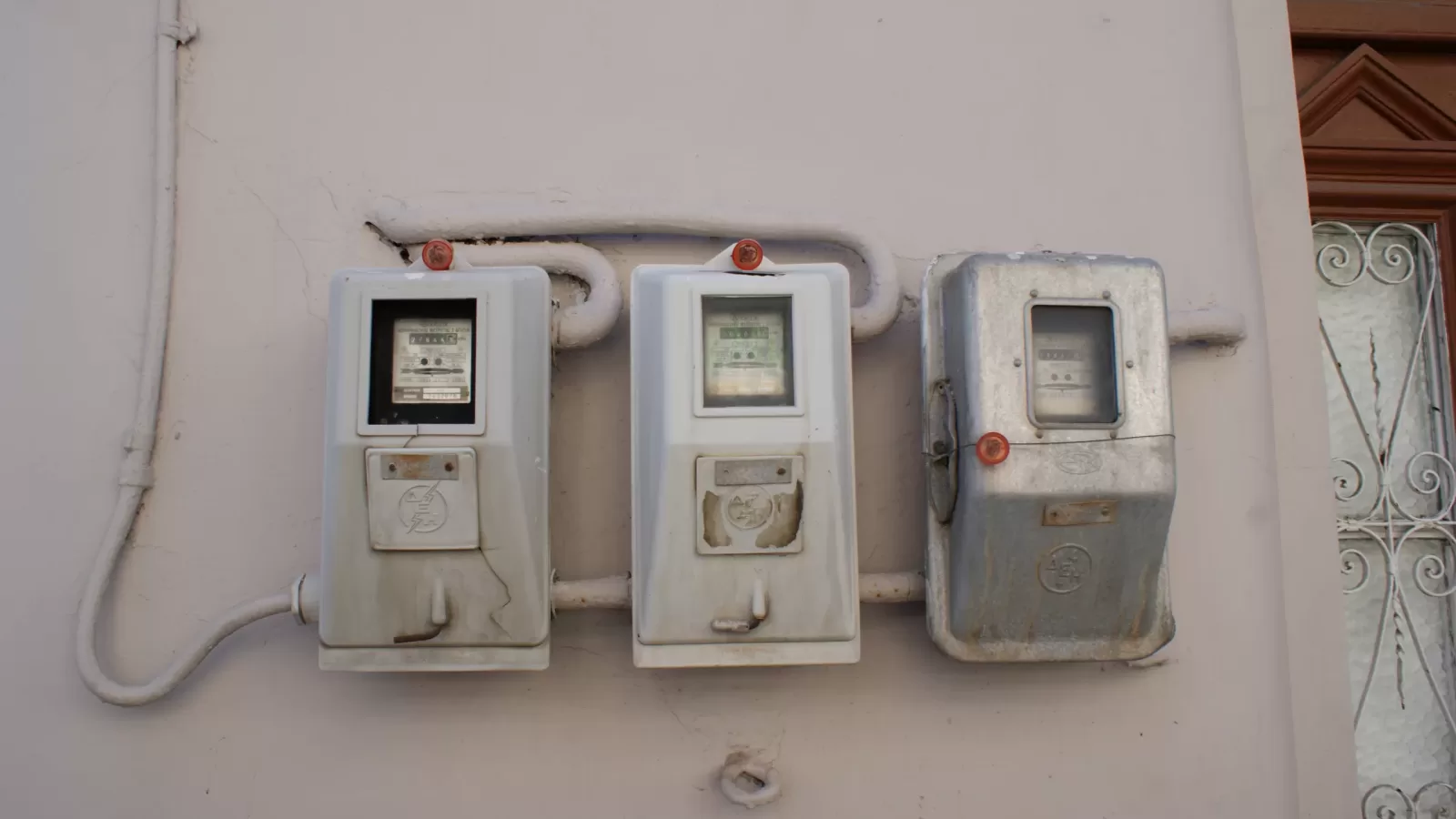
Photo: electricity meters on a wall — by Asurnipal, licence CC BY-SA 4.0 via Wikimedia Commons.
Source: Ministry of Electricity, Water and Renewable Energy — service guide on the official site, meter services and billing services sections.
Kuwait One, once a week.
The most useful stories we published this week, in your inbox.
No spam. Unsubscribe anytime.