
Between the crush of the old markets and the openness of the desert, Kuwait holds more variety than its size suggests. A single trip across the country will show you several different places, each with its own character.
Kuwait City: the capital that does not sleep
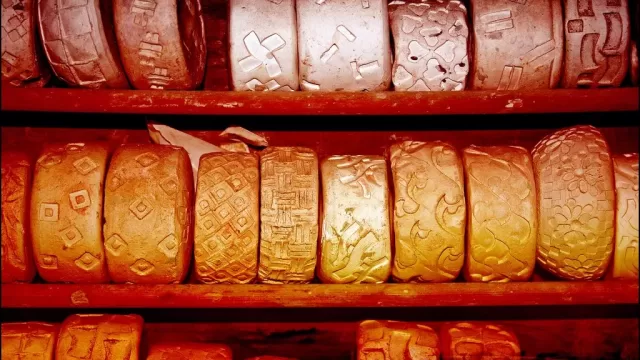
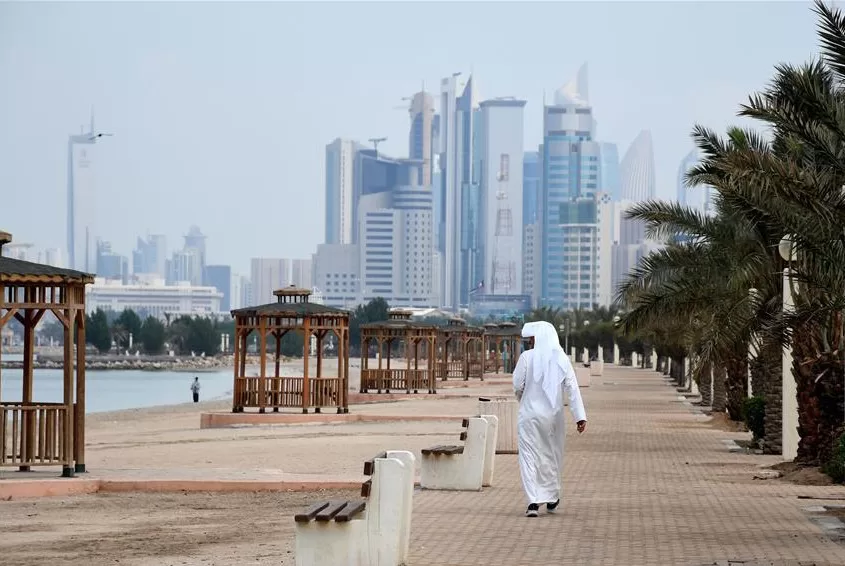
Most trips start here. Mubarakiya market, where the smell of oud mixes with traders who inherited their stalls from their fathers. Not far off, the Kuwait Towers stand at the waterfront, and cafés and restaurants run the length of Arabian Gulf Street with the water in front of them.
Hawalli: shopping and the arts
South of the capital, Hawalli reads like a compressed international market: large malls such as Al Bahar, and electronics centres that draw a young crowd. It also holds small theatres and galleries. It is not a conventional tourist destination — it is daily life and commerce at full volume.
The southern coast: leisure and tradition
Fahaheel, Mahboula, Abu Halifa and Fintas sit along the southern shore, and this is among the busiest stretches for visitors: restaurants and cafés run along the waterfront, and families and young people come for the sea. There are wide parks and open ground for picnics, and Fahaheel hosts local festivals through the year.
Ahmadi: oil town and gardens
Further south the character changes. Ahmadi, with its British-influenced planning and quiet tree-shaded streets, tells the story of the oil industry. It was built by the Kuwait Oil Company and still houses many of its staff. The oil exhibition is here, and Ahmadi Garden with its classic layout.
Khiran: a modern coastal town
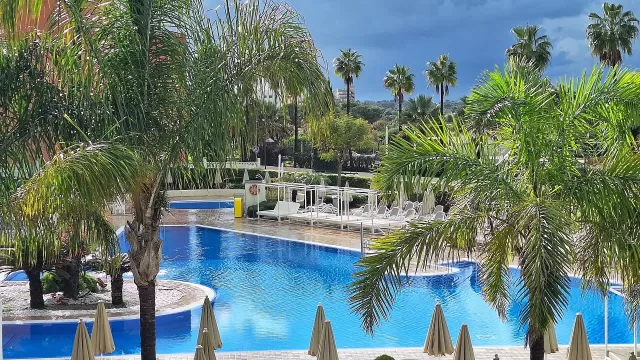
In the far south-east, Khiran looks out to sea and holds Sabah Al-Ahmad Sea City — a coastal development built around water channels and moorings, with houses facing the canals. It has become a destination for people who want quiet and time on the water. Khiran Mall covers the shopping and dining side.
Abdali: farms in the north
North of the country, Abdali’s green farms spread out in the middle of the desert. Long known as the agricultural lung of Kuwait, many of its farms have turned into small resorts, drawing families at weekends — clean air, organic farming, and open space. It is at its best in winter and spring, when the ground turns green.
A trip inside the country
Regional travel in Kuwait is less about ticking off sites than about moving between different rhythms — from the noise of a district to the stillness of a farm. Each area has its own dialect, its own dish, and its own pace.
Sources: Kuwait Municipality · Public Authority for Civil Information · the National Council for Culture, Arts and Letters, which oversees heritage sites open to visitors.
Kuwait One, once a week.
The most useful stories we published this week, in your inbox.
No spam. Unsubscribe anytime.