You buy a USB-C cable with 240W on the box and assume it is the best one in the shop. Then you copy a folder from an external drive and it crawls. The reason is printed on the cable itself, if you know where to look.
The mark on the plug
USB-IF, the body that writes the USB standards and runs the certification programme, requires every USB-C to USB-C cable that passes its compliance testing to carry a logo embossed or printed on the plastic overmould at the plug end. The logo combines two figures: the data rate and the power rating.
USB-IF’s own example: a cable that signals at 20Gbps and supports 20V at 3A must be marked 20Gbps/60W.
Reading the two numbers
- Power: 60W or 240W. The difference matters if you charge a laptop or monitor that draws more than 60 watts over the same lead.
- Data: certified cable logos come in 5, 20, 40 and 80Gbps.
The logo with a number missing
This is the catch. USB-IF’s guidelines say USB 2.0 Type-C cables carry the power figure alone, 60W or 240W, with no data rate. Those cables move data at up to 480Mbps, less than a tenth of a 5Gbps cable. A plug that says only 240W is a strong charging cable, not one for shifting big files.
Names that don’t belong on the box
USB-IF tells manufacturers to name speed plainly: USB 5Gbps, 10Gbps, 20Gbps, 40Gbps, 80Gbps. Spec-sheet names such as USB 3.2, SuperSpeed Plus and USB4 Version 2.0 are, in its words, not intended for packaging or consumer-facing content. A box that says “USB 3.2 Gen 2×2” and gives no Gbps figure is leaving you to do the maths.
How to check
The logo may only appear on products that passed USB-IF testing and sit on its list of certified products, which anyone can search by company or product name on the Product Search page at usb.org. A cable with nothing on its plug tells you no more than its packaging does.
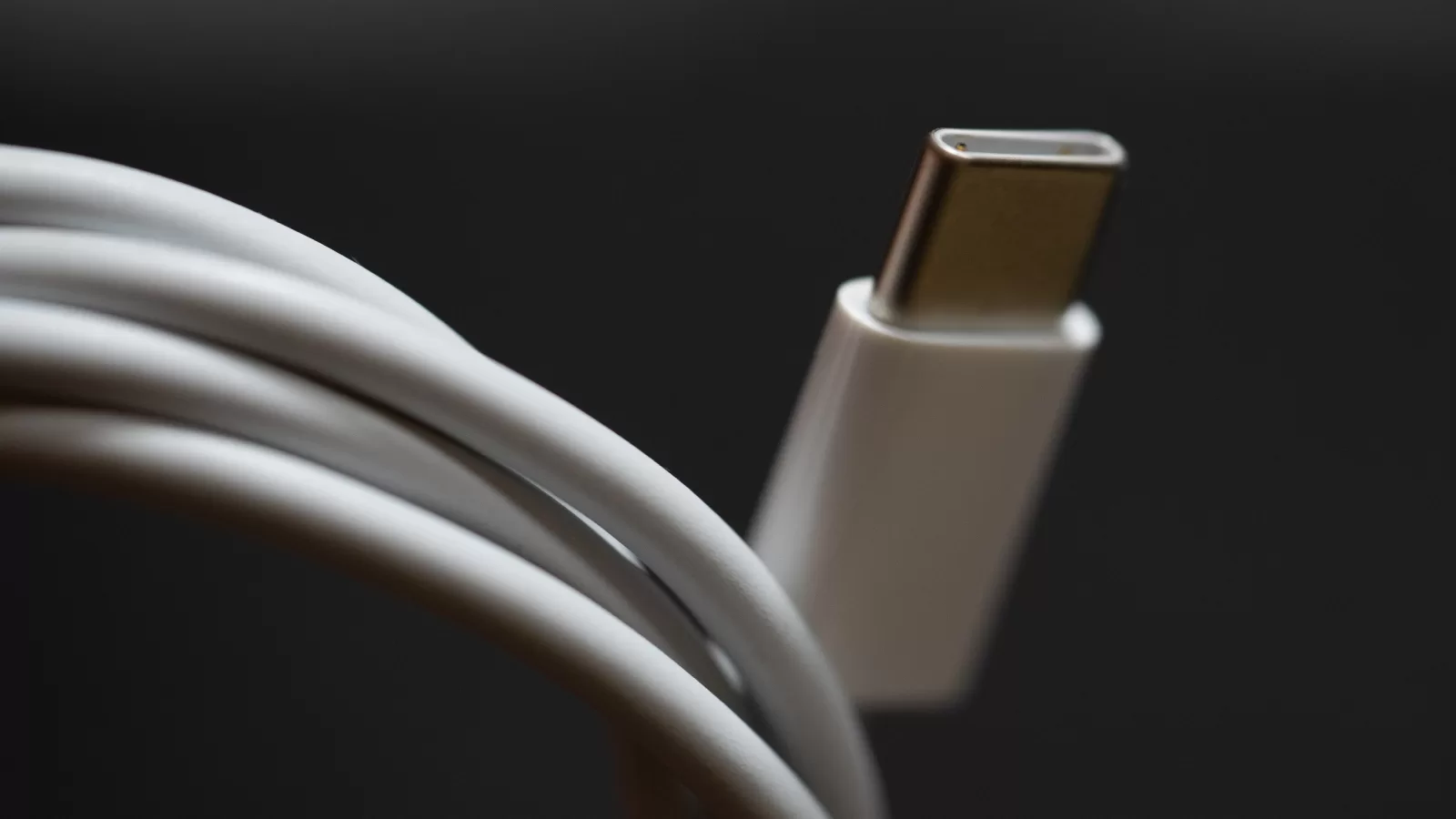
Photo: a USB-C cable plug, by Tony Webster, CC BY 2.0, via Wikimedia Commons.
Sources: USB-IF, USB Type-C Cable Logo Usage Guidelines (January 2026) and USB Data Performance Language Usage Guidelines (January 2024); the Product Search page at usb.org.
Kuwait One, once a week.
The most useful stories we published this week, in your inbox.
No spam. Unsubscribe anytime.