One field on your router’s settings page decides how well its password holds up: the encryption type. Today it reads either WPA2 or WPA3, and the gap between them is wider than the number suggests.
What WPA3 changed
The Wi-Fi Alliance announced it on 25 June 2018. On home networks it replaces the key exchange with a method called SAE, which closes an old shortcut: capturing the handshake between your phone and the router, then running millions of guesses against it offline, on the attacker’s own machine with no further contact with your network. A password of ordinary length stops being easy prey.
The generation also requires protected management frames and refuses several legacy protocols that WPA2 still tolerated.
Why both are still offered
Older gear does not speak the newer one. Routers therefore offer a transition mode, usually labelled WPA2/WPA3: new phones negotiate the stronger method while an ageing printer or smart display keeps working. In a house with devices from several generations, that is the setting to leave it on.
Where to look
Open the router page in a browser using the address printed on the back of the unit, then go to the wireless section. The field is called Security or Authentication. If it says WEP, or WPA on its own, change it now — both were retired long ago.
And open networks
A network you join without a password carries your traffic unencrypted. The Alliance has a programme called Wi-Fi Enhanced Open that encrypts traffic on open networks without asking for a password, but it only helps where the venue has switched it on.
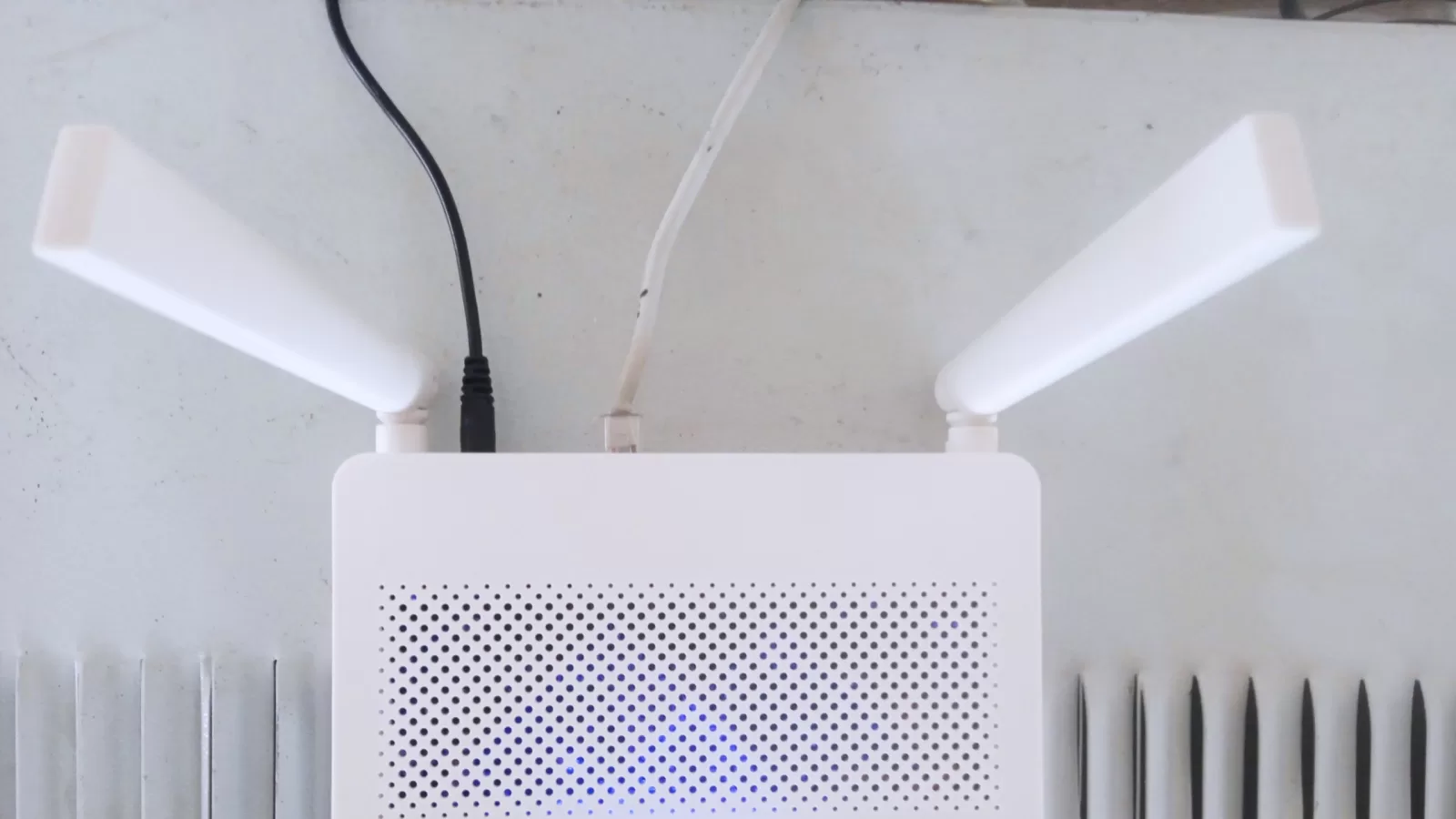
Photo: a home router with two antennas. Photograph by Solijon Solayev, CC BY-SA 4.0 via Wikimedia Commons.
Source: Wi-Fi Alliance, security pages and the press release of 25 June 2018.
Kuwait One, once a week.
The most useful stories we published this week, in your inbox.
No spam. Unsubscribe anytime.