
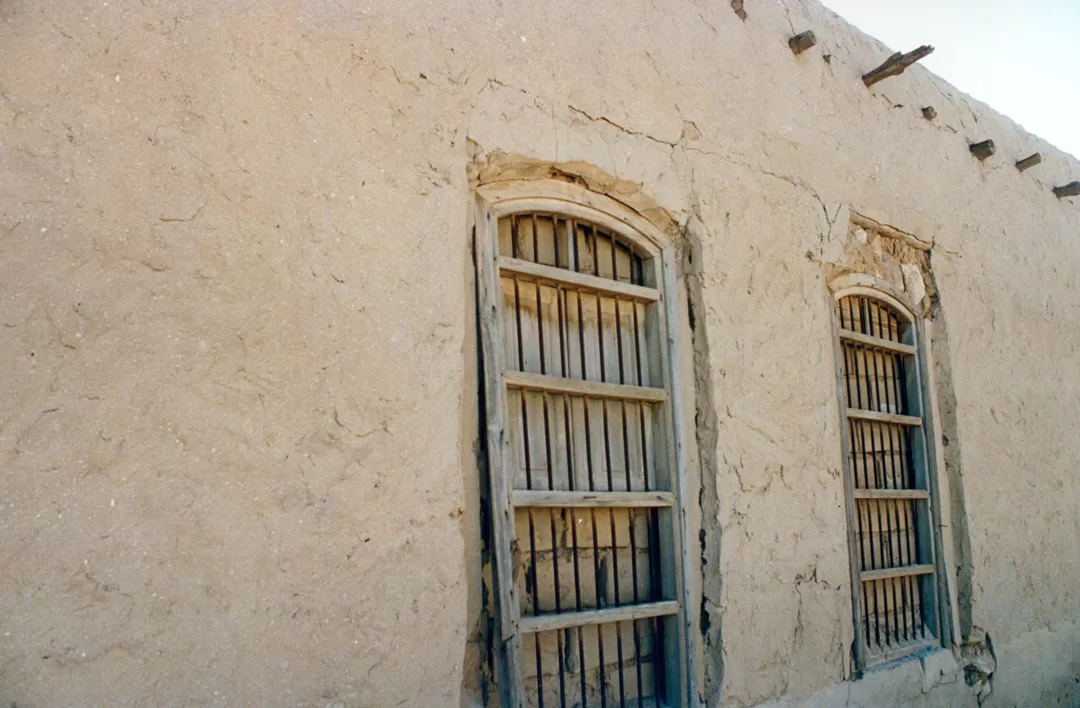
Before the towers and the wide roads and the precise postal addresses, Kuwait was mapped by freej — the small quarters that formed the town’s original cells.
A freej is not simply a neighbourhood. It was a self-contained unit: an extension of a family, a place where everyone knew everyone, where a door stayed open except at night and a neighbour was called through the window rather than knocked on.
How people found each other
There were no maps and no street names. You said “his house is in Freej Al-Zahamil”, or “their house is by the mosque in Freej Saud”. A child found the way to an uncle’s house through the winding lanes without getting lost, because every corner carried a marker they knew.
Each freej held most of what its people needed: a small mosque where they prayed and settled things, a shop selling what was available, a dirt yard where children played dassa, sagla and tamma, and a shaded spot where stories were told at sunset.
Women sat by the doors in the afternoon, exchanging news and preparing food. Children went about barefoot, knowing every house in the freej was theirs and that any adult would correct them and comfort them in equal measure.
The best-known quarters
- Freej Saud: one of the oldest in Sharq, known for being close to the sea and neighbouring the houses of leading sea captains.
- Freej Al-Awazem: home to members of the Awazem tribe, known for strong ties and plain living.
- Freej Al-Shuyoukh: containing houses of a number of Al-Sabah sheikhs, and carrying a social and political weight of its own.
- Freej bin Khamis, Freej Al-Shamlan and Freej Al-Zahamil: each with its own story, its distinctive houses, its mosque and the figures who stayed in the memory.
In Jahra there were other quarters with a more bedouin or agricultural character, where the houses looked a little different and life ran closer to the farms and the desert.
From quarter to city
With modern building came official addresses, and the quarters were absorbed into new streets. But Kuwaitis did not forget the names. Many still answer a question about where they used to live with “we lived in Freej Nayef”, or “I’m from Freej Al-Sarrafi”.
Some names turned into something else: Freej Al-Shuyoukh became a government site, Freej Al-Zahamil became a street. They survive in speech rather than on signage.
What the arrangement taught
People who grew up in the freej learned sharing without conditions and respect without written rules: that every house had its privacy, every elder a claim, and everyone in need a share. There were no bins because everyone was responsible, and no cameras because the neighbours were watching anyway.
Further reading: the National Council for Culture, Arts and Letters · the Center for Research and Studies on Kuwait
Kuwait One, once a week.
The most useful stories we published this week, in your inbox.
No spam. Unsubscribe anytime.