The Neighbour’s Naqsa: A Dish That Came Full Does Not Go Back Empty
The woman of the house cooked more than her family needed on purpose, and some houses opened a door in the wall for the neighbour.
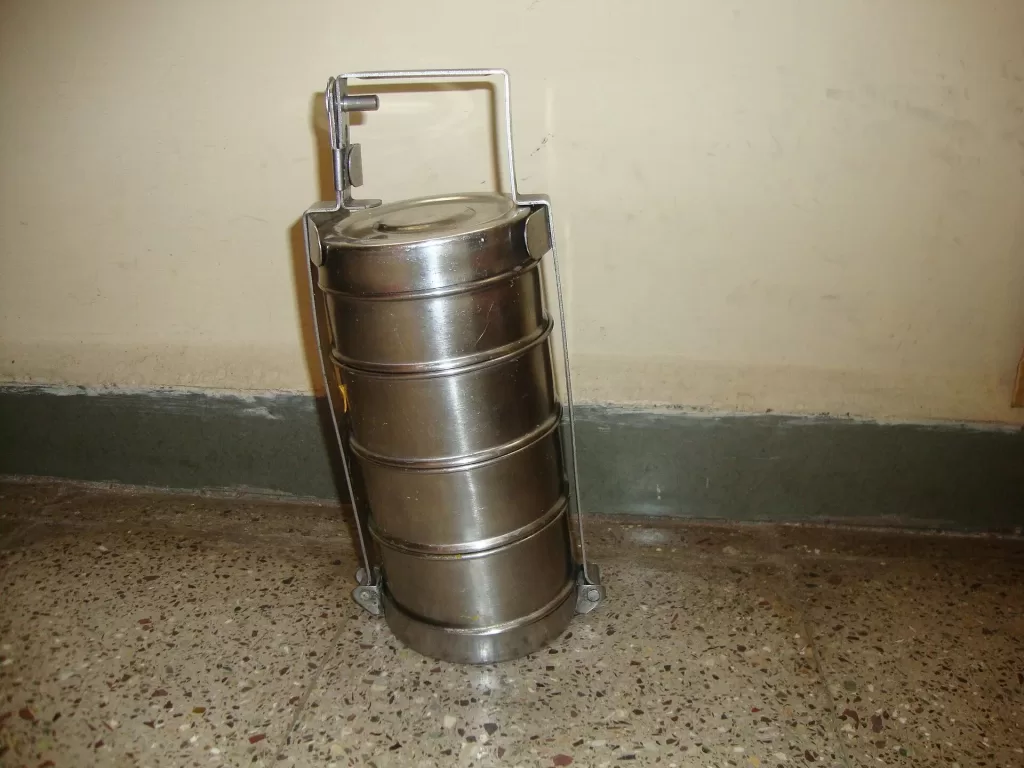
“Al naqsa” comes from intiqas, to take away from: you take a portion from your household’s food for your neighbour. The word itself explains the custom — it is not a surplus being distributed but a share cut out of what there is.
Cooking more than needed, deliberately
The woman of the house prepared food beyond her family’s need, neither by oversight nor as extravagance, but because the neighbour’s share was counted into the pot from the start.
The rule that governs the dish
A vessel that arrived full is not returned empty. It is filled with food like it or better, in acknowledgement of whoever went to the trouble. This was not a courtesy but a rule followed, and returning a dish empty broke a convention everyone knew.
When it was most frequent
In Ramadan before iftar many doors were left open, because dishes were going in and out at the same time. The naqsa was also sent on occasions: a birth, a circumcision, an engagement, a marriage, a recovery from illness, the return of a traveller, the return of a pilgrim, and the completion of memorising the Quran or part of it.
A door in the wall
And further than that: some houses opened a small door in the wall between them and their neighbour, called a farya, especially where the neighbour was a relative. So food passing between them needed no going out into the street at all.
The custom survives today, though less. The writer attributes that to houses standing further apart and to people being busier, rather than to any change in the value itself.
Photo: a stacked metal food carrier. By Nipunbayas, CC BY-SA 3.0 via Wikimedia Commons.
Source: Dr Saud Mohammad Al Osfour, “Dreesha Turathiya: the food naqsa, an old Kuwaiti custom”, Al Qabas, 1 August 2019.
Kuwait One, once a week.
The most useful stories we published this week, in your inbox.
No spam. Unsubscribe anytime.