Heritage
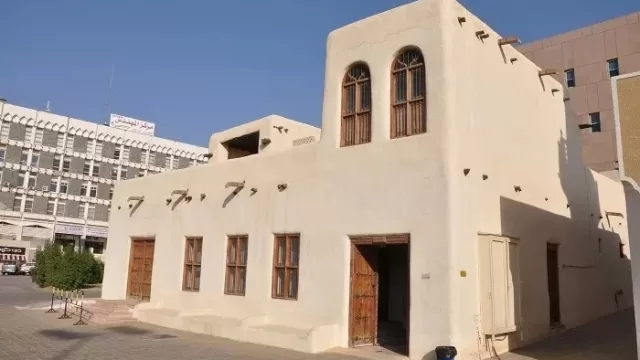
The Kuwaiti Mud House: Walls Built for the Climate
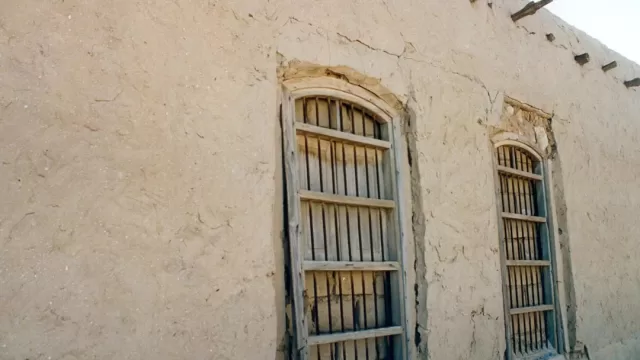
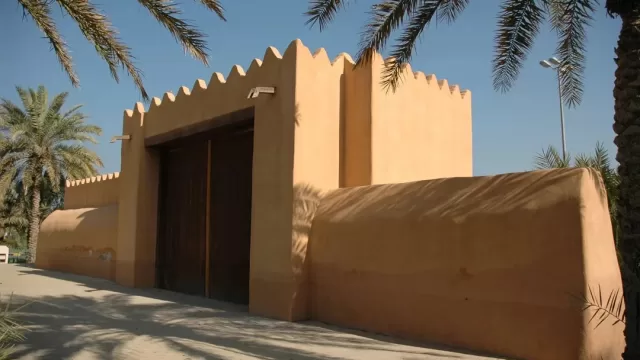
Sun-dried brick, palm-trunk roofs and teak doors from India, arranged around a courtyard. How it was made and why it kept the heat out.
Kuwait before oil: the city, the people, the trades and the houses.
The most useful stories we published this week, in your inbox.
No spam. Unsubscribe anytime.
Sun-dried brick, palm-trunk roofs and teak doors from India, arranged around a courtyard. How it was made and why it kept the heat out.
No street names and no numbers — you said the name of the quarter and the mosque beside it. What each one held, which are still named today, and what the arrangement taught.
Around 1760, 1814, and the last raised in days in 1920 — six kilometres, five gates and twenty-six towers. And the gate names that became districts.
A crew of forty to sixty, a summer season called the great dive, and a captain who read the wind, the currents and the location of the beds.
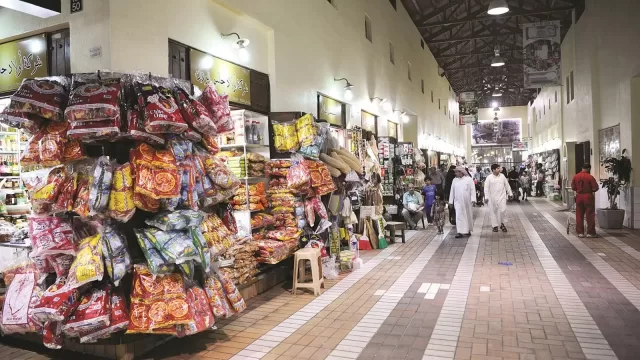
Mubarakiya, the gold row, the money changers, Wajif and the fish market. What each one sold, and which names survive only in memory.
From a caravan stop and a few fishermen's huts to a port on the Gulf. Where the name comes from, why 1752 matters, and what trade built before oil.