Heritage
The Saffar and the Haddad: Two Trades That Equipped a Household
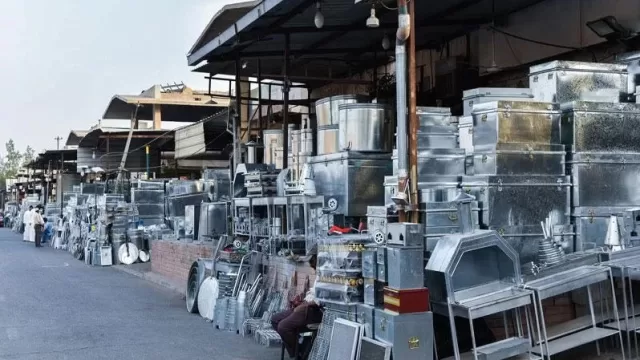
Coffee pots and cooking vessels beaten and engraved in copper; doors, locks, farm tools and window grilles in iron. Where they worked, and what ended them.
Kuwait before oil: the city, the people, the trades and the houses.
The most useful stories we published this week, in your inbox.
No spam. Unsubscribe anytime.
Coffee pots and cooking vessels beaten and engraved in copper; doors, locks, farm tools and window grilles in iron. Where they worked, and what ended them.
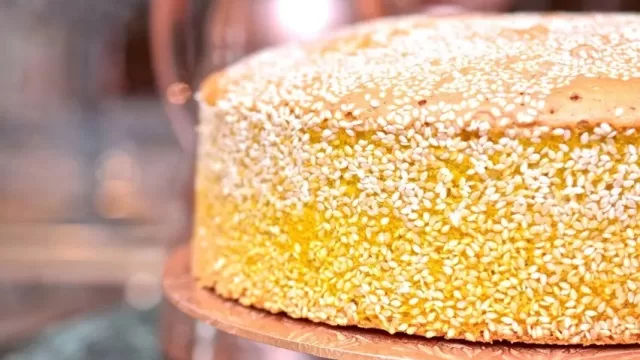
Flour, egg, cardamom and saffron under toasted sesame, baked golden and served with coffee. Where the name may come from, and why it is still made at home.
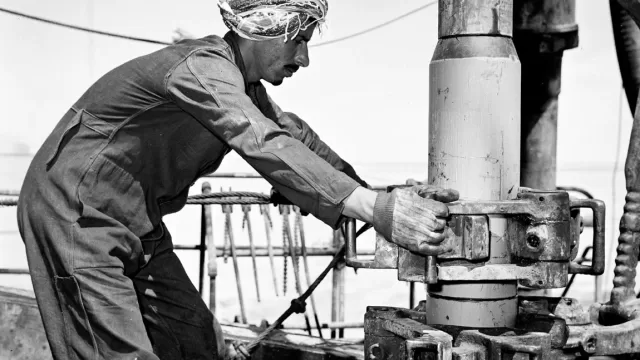
The 1934 concession, a discovery held up by the war, and a town built to English plans for the men who worked the field.
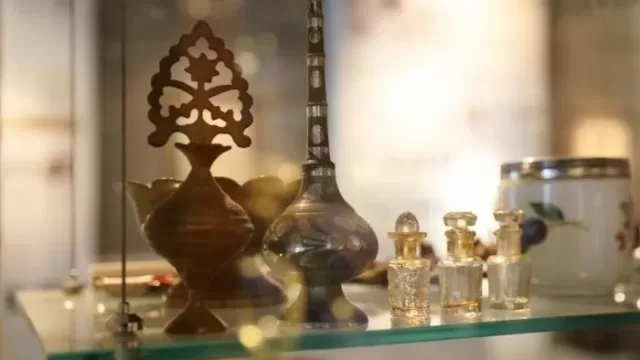
Ithmid stone roasted and ground at home, a scent blended by hand and kept in a small bottle, and a censer passed around the room. What each one meant.
Before it there were the kuttab rooms. The 1910 proposal, the opposition it met, the subjects it added, and the names that came out of it.
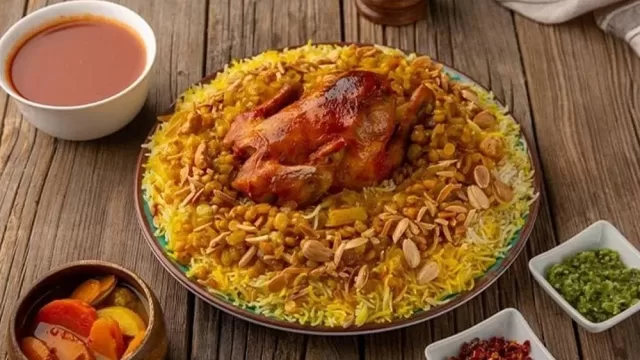
The name comes from pressing. What goes into the fry, why the grain must stay separate, and how the lamb, chicken and fish versions differ.
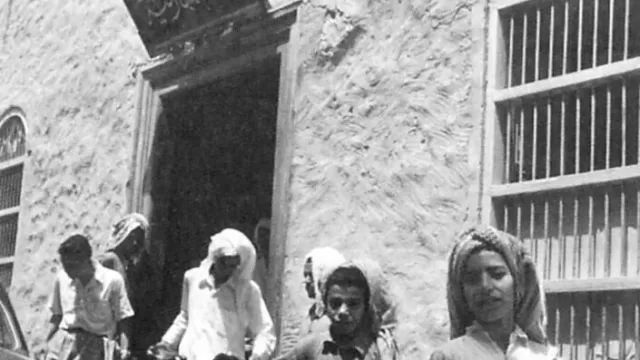
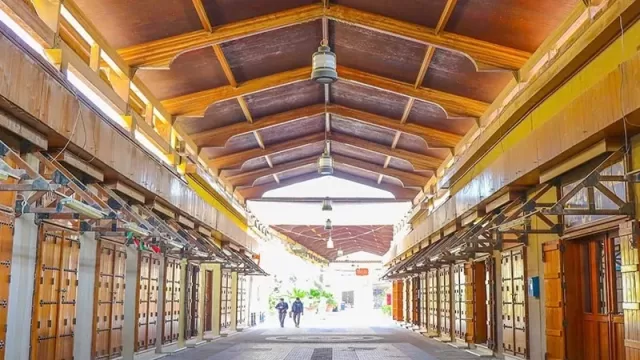
Mud and coral shops under palm-trunk roofing, a cloth seller, a perfumer, a goldsmith and the date women. And a lane named, it is said, for a herd that passed through it every morning.
Hila, darbaha, maqsa, anbar and the Eid swing. What each one needed, and the rules the players made up themselves.
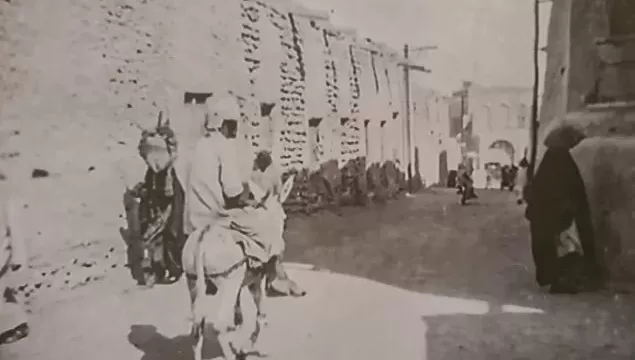
People walked, hired a mule to move goods, and rode out to the desert on a caravan. Then bicycles arrived from India, and pickups began calling for passengers in the street.
Before the seawalls and the port, families walked or rode out on a Thursday, spread mats on the sand and stayed until sunset.
Before newspapers and before feeds, this was where news travelled and disagreements were settled. The coffee rules, the political turns, and what it has become now.
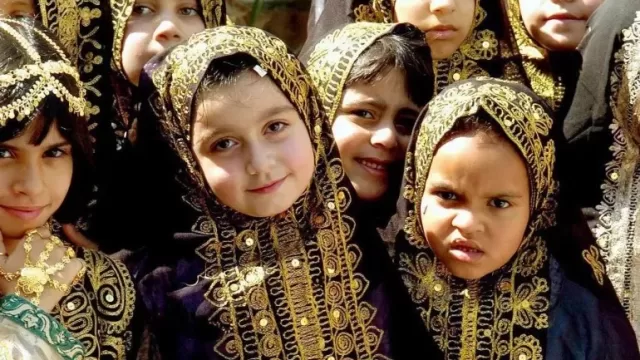
A long loose gown cut by hand from cloth chosen in the souk or in India, and a girl's headscarf edged with fine gold thread. What each one signalled, and when it was worn.