
In Kuwaiti households, and in winter particularly, margoog is named among the traditional dishes that stay in the memory. It may not carry machboos’s fame, but it holds a particular place, especially for older people and for anyone who moved between the desert and the town.
What margoog is
Margoog is a traditional Kuwaiti dish of Najdi origin, which came to Kuwait long ago, was widely taken up, and shifted a little in its ingredients according to Kuwaiti household practice.
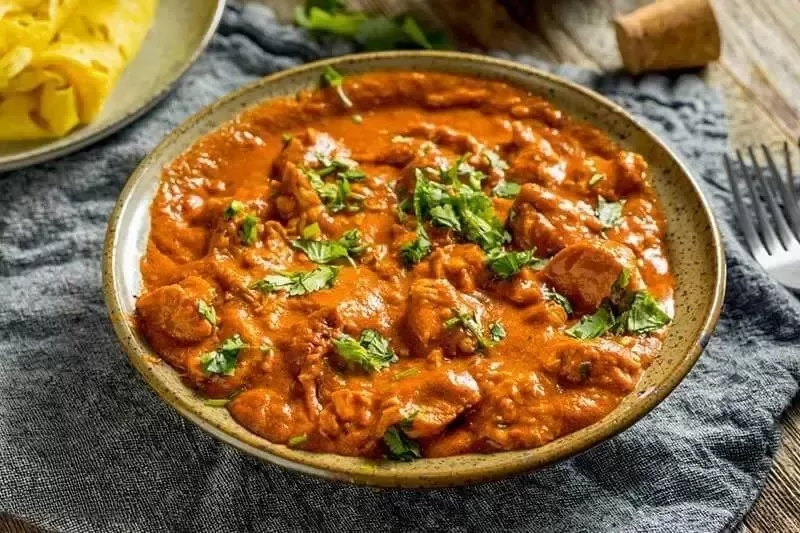
It is made of very thin dough, pulled out, cut and cooked directly in the broth, along with meat — usually mutton — and vegetables such as courgette, pumpkin, aubergine and tomato. A traditional spice blend gives it its aromatic character.
Making it
What distinguishes margoog is not only its flavour but the process. The dough alone takes a careful hand: it has to be soft and easy to pull out without tearing when it cooks. It is pulled thin, cut into rounds or strips, then dropped straight into the boiling pot to take up the flavour of the meat and vegetables.
It is usually made at family gatherings, with mothers and daughters working together on it. It is less a meal than a social occasion.
A winter dish
Margoog is a winter dish by nature: warming, and relatively heavy, which makes it right for cold days. It is also served often at family gatherings and small invitations, since it shows the cook’s skill.
Sometimes wholemeal flour is used instead of white, giving the dish a plainer character without much affecting the original flavour.
From home kitchens to menus
In recent years margoog has found its way onto the menus of Kuwaiti restaurants specialising in traditional food, having previously been a home dish only. Those restaurants compete to serve it in the traditional way while adding modern touches, such as serving it in a tagine or in earthenware.
Despite fast food and international menus, margoog holds its place. Anyone who ate it as a child goes on missing the smell that filled the house and the mouthful heavy with broth, flour and meat.
Further reading: the National Council for Culture, Arts and Letters · the Center for Research and Studies on Kuwait
Kuwait One, once a week.
The most useful stories we published this week, in your inbox.
No spam. Unsubscribe anytime.