The six governorates of Kuwait, and what each one is actually like
Capital, Hawalli, Farwaniya, Jahra, Mubarak Al-Kabeer and Ahmadi — an administrative division that doubles as the quickest way to understand where things are.
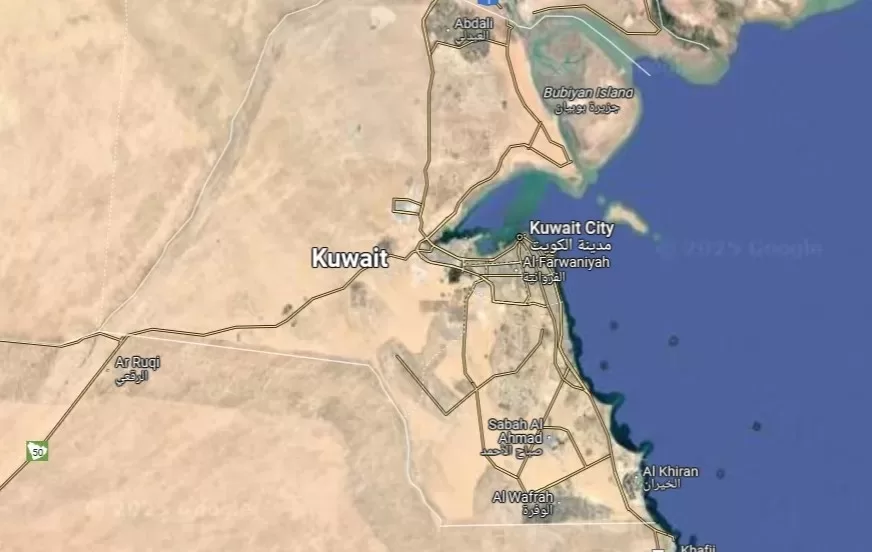
Kuwait is small on a map and layered up close. The country is divided into six governorates, and they are not only an administrative line on a chart — each has its own character, its own history, and its own rhythm of daily life. Knowing which is which is the quickest way to make sense of where things are.
Capital: where the state sits
The official heart of the country. It holds the seat of government, the National Assembly, Seif Palace, the embassies and the ministry buildings. It is not only Kuwait City: it takes in Dasman, Mirqab, Qibla, Sharq, Bnaid Al-Qar, Dasma and Shaab. Within a few streets you move from the old Mubarakiya market to glass towers, and from a traditional coffee house to a five-star hotel.
Hawalli: the dense residential core
One of the most crowded governorates, and a busy residential and commercial centre, particularly for expatriate communities. It covers Hawalli, Salmiya, Jabriya, Bayan and Rumaithiya. This is where the large malls, the private schools and much of the city’s youth activity sit — everyday life at speed.
Farwaniya: the working depth
One of the largest by population, and the most mixed. It covers Khaitan, Farwaniya, Riggae, Firdous and Ardiya. This is the governorate of popular markets, workshops, service centres and mid-range housing — busy, practical, and always in motion.
Jahra: where the land breathes
The largest in area and the least crowded in its residential districts, and it carries real historical weight — it was an agricultural and tribal centre in the state’s early days. It takes in Jahra, Sulaibiya, Naeem, Oyoun and Abdali. Here you find farms, grazing land and winter camps, and the desert begins.
Mubarak Al-Kabeer: the quiet suburbs
The newest of the six, and the most carefully planned: Abu Fteira, Messilah, Sabah Al-Salem and Qurain. Tidy streets, modern services, and a destination for families looking for calm rather than proximity to the centre.
Ahmadi: from oil wells to sea towns
Ahmadi runs from inland desert down to the southern coast, taking in Ahmadi town, Fahaheel, Mangaf, Mahboula, Wafra and Zour. It grew as the centre of the oil industry and still carries that industrial weight alongside fast residential growth. Sea, refineries, markets and company history in one governorate.
Six parts, one fabric
Dialects shift from one neighbourhood to the next, and the character of the streets and services changes from governorate to governorate. In Kuwait these are not lines that separate — they are the features that make up the face of a country small in area and deep in detail.
Sources: Kuwait Municipality · Public Authority for Civil Information, which publishes population data broken down by governorate.
Kuwait One, once a week.
The most useful stories we published this week, in your inbox.
No spam. Unsubscribe anytime.