At the phone counter people ask about the camera, the storage and the battery. Almost nobody asks the question that decides how long the thing will be safe to carry: how many more years will it get security patches? The answer is now written down on the manufacturers’ own pages, and it varies more than you would expect.
Google: seven years, counted from launch
Google’s Pixel support page states that “Pixel 8 and later phones will get updates for 7 years starting from when the device first became available on the Google Store in the US”, and that this covers operating-system and security updates alike. Older models, the Pixel Fold among them, get five years, not seven.
Read the clause carefully. The clock starts when the model launched, not when you bought it. A handset that has been on the shelf for two years comes with five years left, not seven.
Samsung: seven at the top, six in the middle
Samsung said in January 2024 that it was extending security support for Galaxy devices “by up to 7 years”. Its flagship announcements make the promise concrete: the Galaxy S25 series and the Galaxy S26 FE each “support seven generations of OS upgrades and seven years of security updates from global launch date”. The mid-range A series gets six of each.
One caveat that rarely makes the headlines: seven years of updates is not seven years of monthly updates. Samsung’s own security page splits its devices into a monthly list and a quarterly one, and a model slides from the first into the second as it ages. It stays supported; the patches simply arrive four times a year instead of twelve.
Apple: no number, but a readable record
Apple publishes no support period at all. Its security-releases page says only that “keeping your software up to date is one of the most important things you can do to maintain your Apple product’s security”.
The release table on that same page is more informative than the prose. iOS 27, out on 14 September 2026, runs on “iPhone 11 and later” — a handset from 2019. Meanwhile Apple was still patching the older branch: iOS 18.7.10, released on 17 August 2026, covered the iPhone XS, XS Max and XR, which are 2018 devices. An iPhone can stop receiving new versions of iOS and still receive security fixes for years afterwards.
The European rule that moved the whole market
Since 20 June 2025 the EU’s ecodesign regulation 2023/1670 has applied. It says that for at least five years after a model stops being placed on the market, a manufacturer that issues security or corrective updates to the operating system must make them available free of charge to every unit of that model. Spare parts must stay available for seven years.
Two qualifications matter. The five years run from the end of sale, not from your purchase, so in practice the window is often longer. And the clause is conditional — it governs how updates are supplied, not whether they are issued at all. Even so, its reach is global, because no maker builds one version of a phone for Europe and another for everywhere else.
Checking your own handset
On Android: Settings, then About phone. A line called “Android security update” carries a date, and that date is the age of the last patch you received. To look for a new one, Settings, then System, then Software updates.
On an iPhone: Settings, then General, then Software Update. iOS has no separate patch-level field the way Android does, because the version number is the patch level.
If the date in front of you is more than six months old and nothing new is being offered, the handset has almost certainly left support. At that point the question to ask at the counter changes.
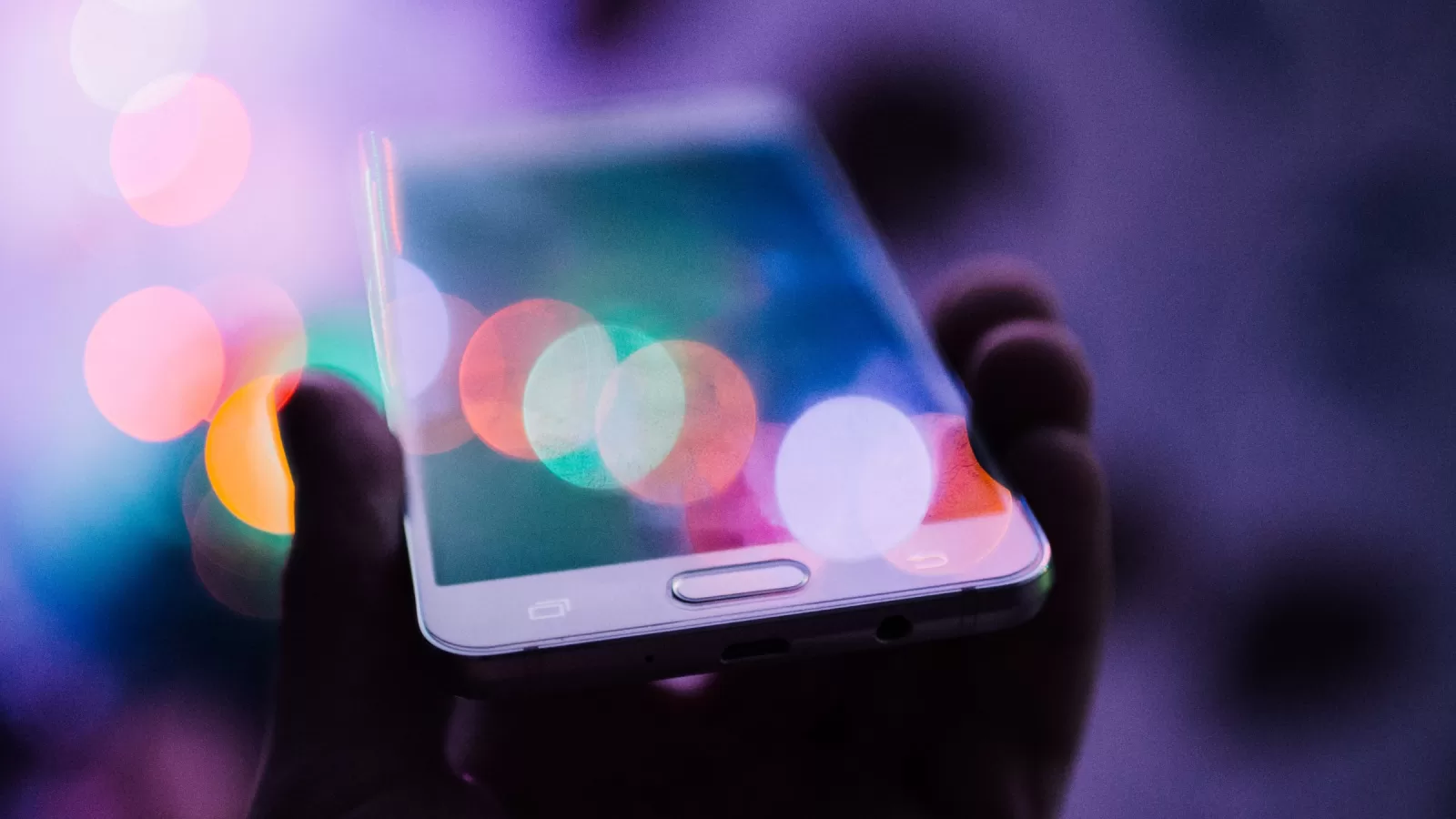
Photograph: a mobile phone in the hand. Rodion Kutsaev, CC0, via Wikimedia Commons.
Sources: Google Pixel support page; Samsung security page and Galaxy announcements; Apple security releases page; EU regulation 2023/1670.
Kuwait One, once a week.
The most useful stories we published this week, in your inbox.
No spam. Unsubscribe anytime.