Heritage.
Kuwait before oil: the city, the people, the trades and the houses.
111 articlesKuwait One, once a week.
The most useful stories we published this week, in your inbox.
No spam. Unsubscribe anytime.
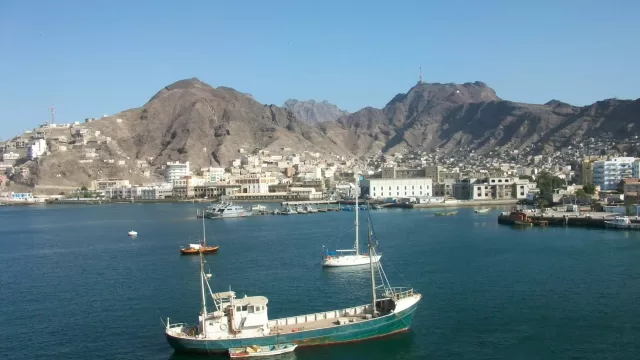
Heritage
Al Kharafi: An Only Surviving Son, and Six Months Minding Another Man’s Shop in Karachi
8 SeptemberRead →
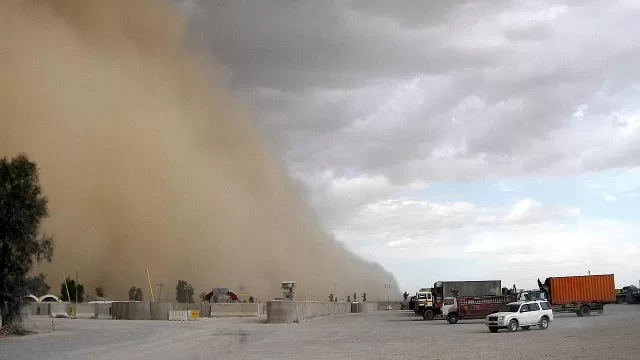
Heritage
Kaws, Suhaili and Anashi: Every Wind Has Its Own Name in Kuwaiti Speech
7 SeptemberRead →
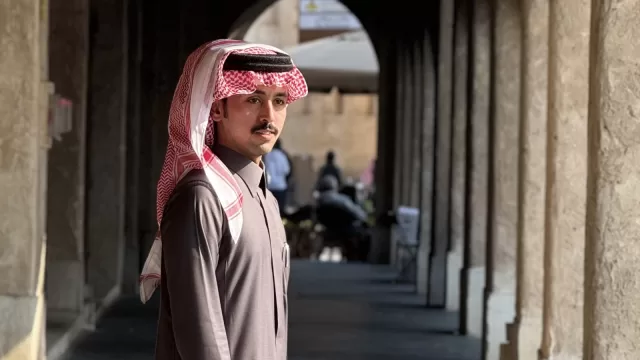
Heritage
Chraimba and the Omani Fold: Every Way of Wearing the Ghutra Had a Name
7 SeptemberRead →
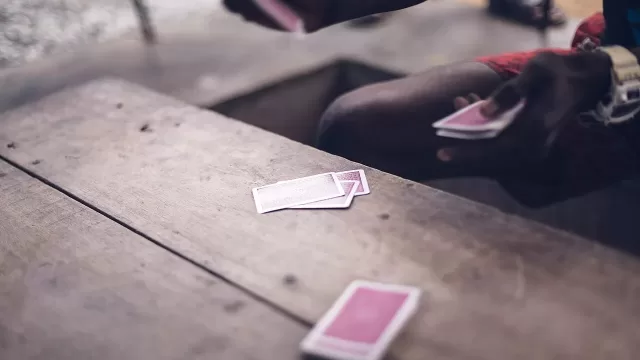
Heritage
Kout Bosta: Six Players, Nine Cards, and Whoever Misjudges Is Charged Double
7 SeptemberRead →
Heritage
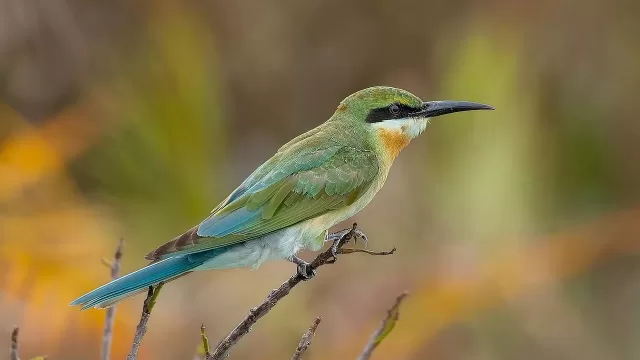
The Khudhairi: A Bird That Hunts Bees, and the Yardstick for a Green Thobe
7 SeptemberRead →
Heritage
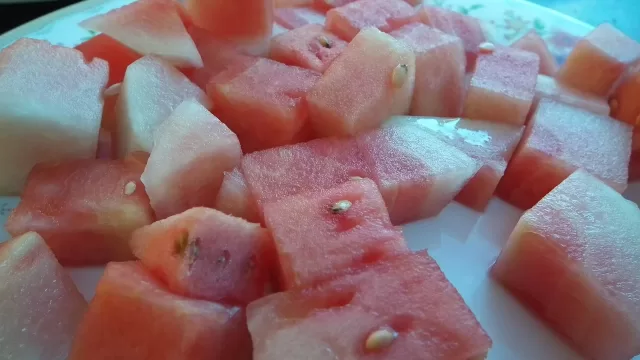
Afternoon Tea: A Sitting After the Prayer, Where the Melon Was Cut on the Father’s Word
6 SeptemberRead →
Heritage
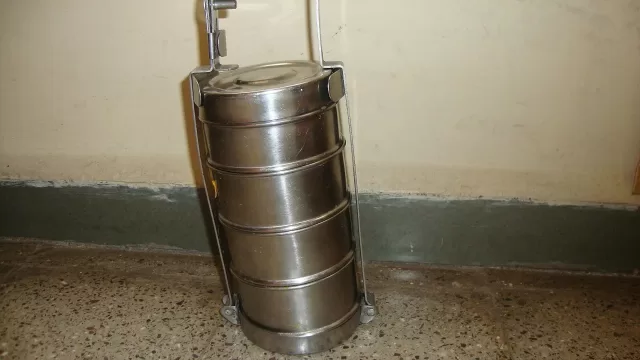
The Neighbour’s Naqsa: A Dish That Came Full Does Not Go Back Empty
6 SeptemberRead →

Heritage
The Daya: A Trade With No Names Kept, and Usually Paid in Prayers
6 SeptemberRead →
Heritage
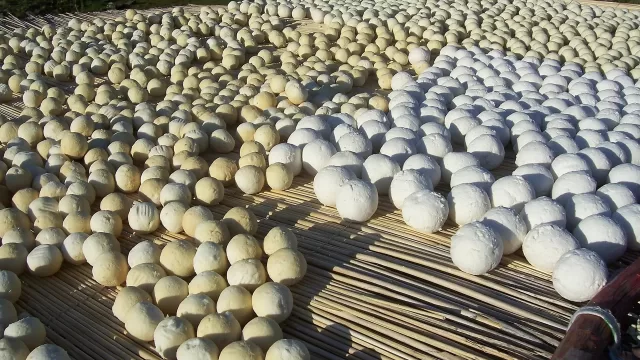
Yiqit: The Spring Paste You Judge by Its Colour and Its Smoothness
5 SeptemberRead →
Ad
