The Daya: A Trade With No Names Kept, and Usually Paid in Prayers
She called for hot water at the top of her voice, said her work carried danger, and the whole house heard her.
“Al daya” is the midwife. A whole generation in Kuwait was born on this trade, and yet the names of the women who practised it, and how many there were, are not known. The privacy of the work itself closed the record: it happened inside houses, among women, with no register and no certificate.
The scene as women who gave birth remember it
The picture that stayed in people’s minds is not a calm one. The daya was called for as labour approached, and she asked for hot water in a raised voice, announcing that her work carried danger and that everyone must listen to her and be ready for whatever she asked. At the same time the mother needed someone to soothe and calm her, and her own mother and the women of the family did that.
Her role was wider than the birth
The daya acted as nurse and obstetrician together: she knew what related to pregnancy, birth and health care, followed the condition of mother and newborn afterwards, and advised on the food suited to that period.
And the danger was real
Her tools did not meet safety conditions in a time when medical care had not reached what it has now. Birth at home was the rule, and with it a proportion of women whose condition worsened for want of experience or for want of any recourse in an emergency — the very things hospitals now handle with surgery and with care before and after the birth.
The payment
Her work was most often free, done for the reward of it. Some took a sum for the work, or were given something by the mother’s family or her husband.
Today the trade does not exist in Kuwait at all, and is remembered only in rural societies.
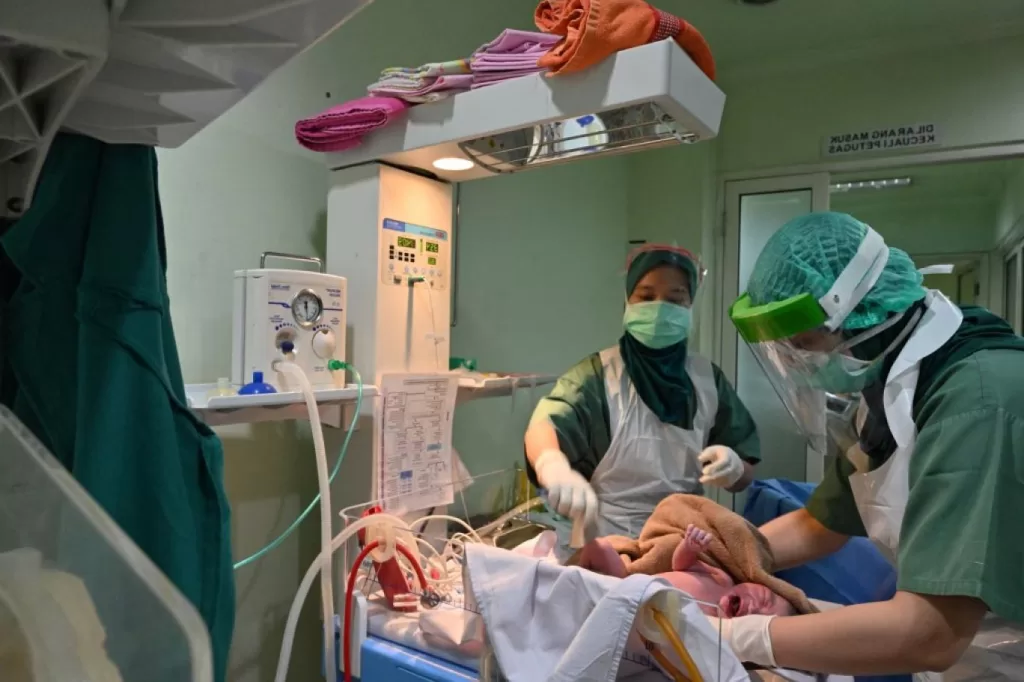
Photograph: a midwife receiving a newborn in a modern delivery room, not a traditional daya. From Independent Arabia.
Source: Dr Saud Mohammad Al Osfour, “Dreesha Turathiya: the daya in old Kuwait”, Al Qabas, 7 November 2019.
Kuwait One, once a week.
The most useful stories we published this week, in your inbox.
No spam. Unsubscribe anytime.