How To
A Treatment Visa for Three Dinars: Admission First, Then the Form, Then the Fee
An official letter confirming a hospital has accepted your case, the sponsor's civil ID, and a passport still in date.
Practical step-by-step explanations: how things work, and how to get them done in Kuwait.
The most useful stories we published this week, in your inbox.
No spam. Unsubscribe anytime.
An official letter confirming a hospital has accepted your case, the sponsor's civil ID, and a passport still in date.
A to-whom-it-may-concern certificate costs a dinar, and a shop owner needs a clearance and a waiver on the fit-out value.
The documentation office at the Ahmadi or Riggae complex, and the couple, the guardian and two witnesses must all be present.
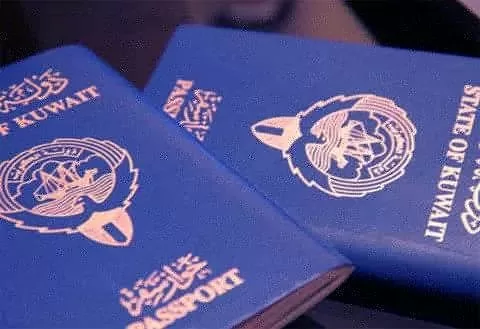
Three documents and no more, a full exemption at sixty-five, and a five-month wait for anyone who lost theirs.
Applications open when the announcement appears in the official press, and a candidate stands where they live, nowhere else.
The largest instalment lands at the black structure stage over 195 metres, and the house must be eight years old.
The visitor's passport must have at least six months to run, and the file is submitted at immigration in your own governorate.
Applications go through the official site, and it demands full availability plus an online language test then a technical one.
Registration is in person at three sites, and the only condition is being able to read and write.
The map arrives as an image rather than text, the subscription promises up to half off, and the published passenger figures date back to 2004.
The department asks for the caller name, address, number and civil ID, because the answer is printed on a numbered form and handed over.
Ages run from eighteen to twenty-six, and training lasts four months or six depending on the school.